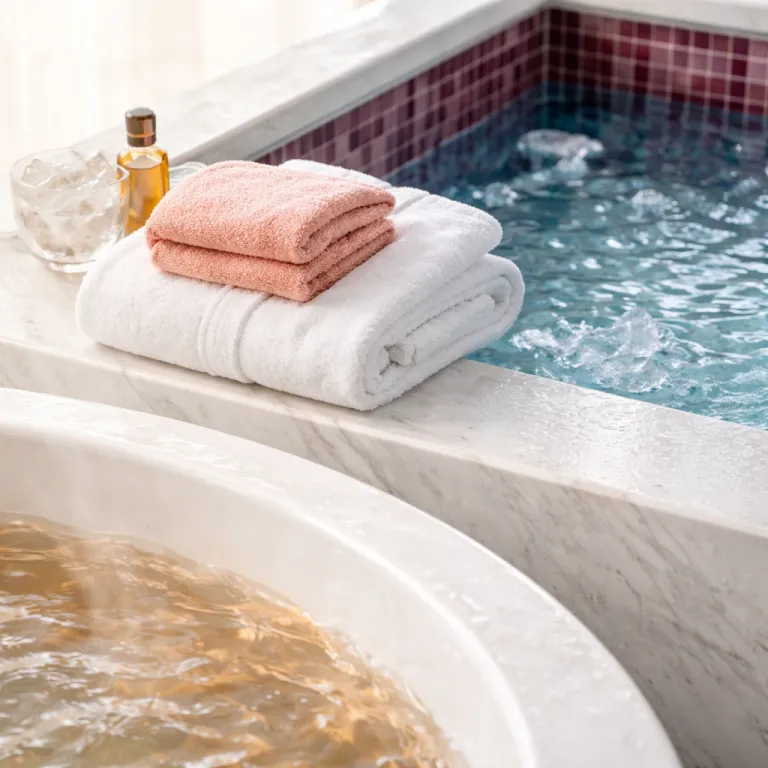
Why hot cold contrast therapy belongs in your next hotel spa stay
Hot cold contrast therapy in a hotel spa is no longer a fringe wellness experiment. In high end properties, this temperature cycling is becoming the quiet hero behind deeper relaxation, measurable health benefits, and a more intentional spa experience. When you book a luxury hotel with a serious spa and hot tub program, you are increasingly booking access to a full thermal circuit rather than a single warm pool.
At its core, contrast hydrotherapy means alternating deliberate heat and cold exposure to influence blood circulation, the immune system, and the nervous system. The sequence usually moves from hot water immersion or a dry sauna into cold water, sometimes a dedicated cold plunge pool set around 3–10 °C (37–50 °F), then into a rest phase where the body and mind integrate the shift. In a well designed resort spa, this rhythm of heat cold, cold therapy, and recovery is mapped as carefully as a tasting menu.
Physiologically, the heat phase dilates vessels and encourages circulation, while the cold phase constricts them and circulation reduces briefly before rebounding. That rebound is where contrast therapy shows its most interesting health benefits, from stress reduction to support for muscle recovery and reduced soreness. Controlled trials and sports medicine reviews suggest that alternating hot and cold water can ease perceived muscle damage and inflammation after intense exercise, although results vary between individuals and protocols. When hotels get the timing and temperature right, guests feel the benefits as a clear head, a lighter body, and a calmer mood long after they leave the water.
How a true thermal circuit works in a luxury resort spa
Not every hotel pool and ice bucket qualifies as a hot cold contrast therapy hotel spa experience. The properties leading this movement design a full thermal journey, where each element of water, heat, and cold is placed with intention and supported by staff who understand the protocol. You feel it the moment you step from a dry Finnish sauna into a plunge pool that is actually cold enough to shift your breathing.
Inns of Aurora in New York, for example, builds its hydrotherapy circuits around hot soaking pools, a proper cold plunge, and quiet rest lounges that encourage guests to slow down between rounds. Nordic inspired resort spa complexes go further, pairing open air hot tubs with frozen lake access, unisex saunas, and steam rooms in a structured heat cold rest cycle that can last 30 to 60 minutes. This is where the line between simple spa and purposeful therapy blurs, and where water immersion becomes a tool rather than a backdrop.
Urban pioneers such as R3 Spa in Denver and LOR Spa in Minot show how a compact hotel spa can still offer serious contrast therapy through a 190 °F Finnish sauna, a genuinely bracing cold plunge, and staff guidance on timing. From a distance, many hotel spa photos look similar; a pool, a sauna, maybe a hot tub and some loungers. Up close, the difference between a decorative wellness area and a true hot cold contrast therapy hotel spa lies in temperature accuracy, circulation flow, and the way guests are guided through the space. When you are comparing luxury hotels with hot tubs, look for this kind of integrated circuit rather than a scattered mix of hot and cold features.
The Nordic model and what other hotel spas can learn
Scandinavian inspired properties still set the benchmark for contrast therapy in a resort spa setting. The Nordic model treats heat cold cycling as a cultural ritual, not a novelty, and that philosophy translates beautifully into hotel spa design worldwide. When you step into a hemlock sauna, hear the hiss of water on stones, and see a snow framed cold plunge outside, you understand how seriously these resorts take the sequence.
SISU Spa in Revelstoke, British Columbia, offers a textbook version of Nordic contrast therapy with a custom hemlock sauna, a dedicated cold plunge, and clear guidance on how long to stay in each phase. Their approach mirrors what many lakeside and mountain hotels are now adopting, from open air hot pools with sweeping view lines to direct access to cold water immersion in rivers or lakes. The emphasis is always on repeating several short rounds, allowing the body and mind to adapt gradually rather than forcing a single heroic cold exposure.
For luxury travelers, the lesson is simple yet powerful; choose hotels where the spa team treats contrast therapy as a core wellness treatment, not an add on. Look for language about hydrotherapy circuits, sauna cold sequences, and structured rest, rather than vague promises of “access to pool and sauna”. If you want to align your booking strategy with these standards, consult a premium hotel booking resource focused on spa bath experiences such as this guide to elevating your stay with premium spa programs at luxury hotel booking with spa baths. Any mention of specific hotels or platforms here is for illustration only and does not constitute medical or professional travel advice.
Design details that separate serious contrast therapy from spa décor
The best properties think like hydrotherapy architects, choreographing every step from robe hook to final herbal tea. Temperature is the first non negotiable detail, with hot phases that feel genuinely warming and cold phases that count as real cold therapy rather than tepid water. R3 Spa, SISU Spa, LOR Spa, Be Spa in Los Angeles, and Inns of Aurora all work with sauna temperatures around 176–194 °F (80–90 °C) and cold plunge or ice bath settings close to 3–15 °C (37–59 °F), ranges that align with common spa practice and published contrast water therapy protocols.
In these environments, “What is contrast therapy?” is not a theoretical question but a lived answer; “Alternating between hot and cold treatments to promote health.” Circulation through the space matters as much as blood circulation within the body, which is why serious resort spa teams map clear routes from sauna to cold plunge to rest zones. Steam rooms, rain showers, and outdoor decks are placed to support that flow, not to clutter the floor plan. When you evaluate a hotel, ask how many guests the spa can comfortably host at once, whether there are quiet rest areas with a view, and how staff explain the health benefits, potential risks, and any contraindications.
How to use a hotel thermal circuit for maximum benefits
Once you have booked a hotel that treats hot cold contrast therapy as a central spa experience, the next step is using it well. A typical session lasts 30 to 60 minutes, which aligns with expert guidance that “How long should a contrast therapy session last? Typically 30–60 minutes, depending on individual tolerance.” You do not need extreme endurance; you need consistency, attention, and respect for your own limits.
Start with a warm shower, then move into a sauna or hot pool for 8 to 12 minutes, allowing heat to open vessels and prepare the body for cold water immersion. Step calmly into the cold plunge or ice bath for 30 to 90 seconds, focusing on steady breathing as the heat cold contrast tightens vessels, circulation reduces briefly, and then rebounds to support blood circulation and reduced inflammation. These time frames are broadly consistent with contrast water therapy protocols used in sports medicine, but they are not rigid rules. Rest for at least the same duration in a quiet area, then repeat the cycle two or three times, sipping water or herbal tea between rounds to support the immune system and overall wellness.
Most resort spa teams will confirm that contrast therapy is generally safe for healthy adults, yet they will also echo the guidance that “Is contrast therapy safe for everyone? Generally safe, but consult a healthcare provider if you have health concerns.” If you are new to cold therapy, pregnant, have cardiovascular or respiratory issues, low blood pressure, or take medications that affect circulation, speak with staff and your clinician before your session and shorten the cold exposure phase. For a broader perspective on choosing hotels where spa design, hot tubs, and thermal circuits are taken seriously, consult this in depth travel guide to premium hotel booking and exclusive spa perks at a curated luxury hotel booking platform.
FAQ
What are the main benefits of hot cold contrast therapy in a hotel spa?
Alternating between heat and cold in a structured spa circuit can improve blood circulation, support the immune system, and encourage stress reduction. The rapid vessel constriction and dilation may help with reduced soreness and reduced inflammation after travel or exercise, and several randomized trials on contrast water therapy report modest improvements in post exercise recovery. Many guests also report clearer focus and a deeper sense of body mind relaxation after several rounds.
How often should I use contrast therapy during a hotel stay?
For most healthy guests, one session every one or two days during a short stay is enough to feel health benefits without overloading the system. “How often should I do contrast therapy? Frequency varies; consult with a wellness professional for personalized advice.” If you are staying at a resort spa for a week or more, alternate intense thermal circuit days with lighter hydrotherapy or massage treatments so your body can adapt.
What is the ideal sequence in a hotel thermal circuit?
A classic sequence in a hot cold contrast therapy hotel spa is warm shower, sauna or hot pool, cold plunge or cold shower, then rest. Many experts suggest repeating this heat cold cycle two or three times, keeping the hot phase around 8 to 12 minutes and the cold exposure under two minutes. Always finish with cold water to support circulation and then allow time for the body to return to baseline before leaving the spa.
Can I use contrast therapy if I am new to spa treatments?
First time spa guests can safely enjoy contrast therapy by starting gently and listening to their body. Shorter heat and cold phases, plus longer rest periods, help the nervous system adapt without overwhelm. If you have cardiovascular conditions, are pregnant, have uncontrolled high blood pressure, or take specific medications, speak with the hotel spa équipe and your healthcare provider before starting, and follow any local medical guidelines.
How do I know if a hotel offers serious contrast therapy rather than just a pool and sauna?
Look for clear mention of hydrotherapy circuits, cold plunge pools, structured sauna cold sequences, and staff guidance on timing and safety. Properties such as Inns of Aurora, R3 Spa, SISU Spa, LOR Spa, and Be Spa describe their thermal journeys in detail, including temperatures and recommended session duration. When a hotel positions its spa as a resort spa with contrast therapy rather than simply listing a pool and sauna, you are more likely to find a thoughtfully designed experience.
References
Elite Traveler – wellness travel trends and thermal circuit adoption in luxury resorts.
Sanctuary Wellness Spa – analysis of nervous system regulation through temperature cycling.
R3 Spa, Inns of Aurora, LOR Spa, SISU Spa, Be Spa – provider data on sauna and cold plunge temperatures and protocols.
Cochrane and sports medicine reviews on contrast water therapy – summaries of evidence for muscle recovery, soreness, and perceived fatigue.