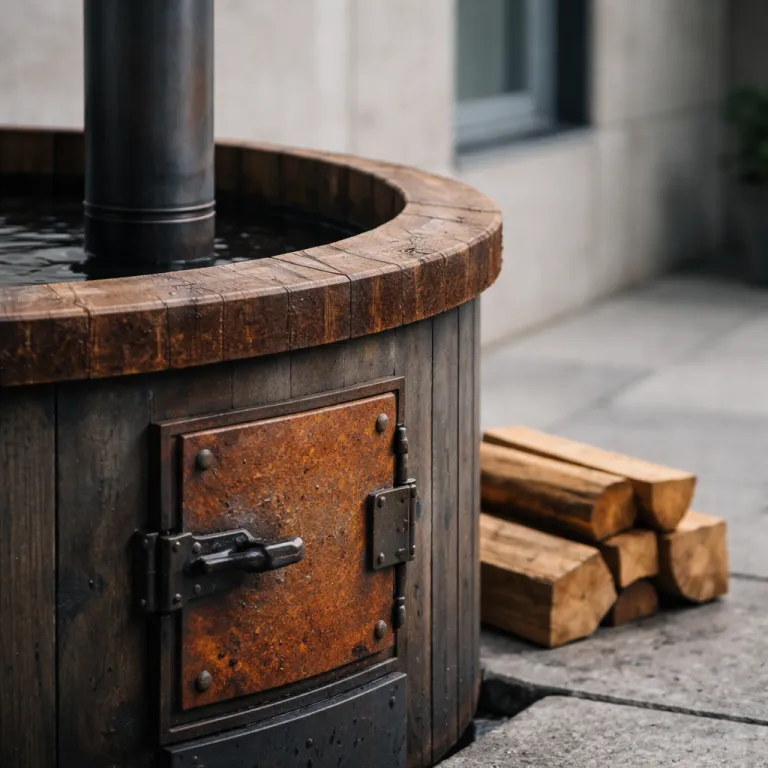
The quiet rise of the wood-fired hot tub hotel
Slip into a wood fired tub and the first thing you notice is the sound. The low crackle of wood burning beside the water sets a slower rhythm than any electric pump, and the heat from the fired hot stove climbs gradually rather than in a rush. In a well designed wood-fired hot tub hotel, that slower temperature curve becomes part of the stay, turning the act of lighting the fire into a private ritual rather than a button press.
Manufacturers such as Northern Lights Cedar Tubs and Snorkel Hot Tubs have shaped this analog revival with cedar tubs that feel carved from nature rather than from plastic. Their traditional hot tub structures, often using thermosiphon circulation and wood burning stoves, allow hotels to offer a chemical free hot water experience for short stays without relying heavily on grid power. This is why many properties now highlight that a wood-fired hot tub can take approximately 3 hours to heat, depending on the model and conditions, and guests increasingly see that duration as part of the experience rather than an inconvenience.
For luxury travelers, the appeal lies in how these tubs frame the surrounding area and landscape. A thoughtful property will orient each private hot tub toward a lake, a forest edge, or a national park ridgeline so the view from the water becomes the headline amenity. When you book stay options on a curated platform focused on hot tub experiences, you are no longer just choosing a hotel room but selecting the exact level of immersion in nature, fire, and water that suits your trip.
From Scottish forests to Nordic lakes: where analog soaking excels
Some of the most compelling wood-fired hot tub hotel stays sit far from cities, where the night sky does the lighting. In the Scottish Highlands, cabins such as Hope by WildLand’s forest house An Cala pair a cedar tub with a simple seating area on the deck, letting the steam rise into dark pines while the firebox glows at ground level. Nordic lakeside properties have refined this even further, placing tubs just above the lake so you can step from hot water to cold plunge in a few strides.
Across the wider lakes region of Scandinavia, many small hotels and guest houses now treat the wood fired tub as a central design feature rather than an add on. You will often find a pet friendly cabin with a private hot tub facing the water, a compact coffee maker on the counter, and modern amenities kept deliberately minimal to keep attention on the view. In these settings, the perfect place to sit is often the submerged bench where your fingers trail along the tub edge while you watch the lakes shift from silver to black.
Even in more urban or resort driven destinations, the analog trend is influencing how premium properties think about hot water. A refined escape that once relied solely on in room whirlpools now pairs them with outdoor wood burning tubs for guests who want a more elemental experience. When browsing an elegant Orlando hotel with hot tub in room for a refined escape, look for properties that also offer an outdoor fired hot option, because that combination of controlled hydrotherapy and raw fire heated soaking gives you two very different ways to unwind during a single stay.
Design and ambiance: when the tub shapes the whole stay
In a serious wood-fired hot tub hotel, the tub is not an afterthought on a deck but the anchor of the entire layout. Architects will often start with the line of sight from the water, then arrange the house, bedroom, and seating area around that axis so the guest’s gaze moves from steam to horizon. This is where the analog luxury trend intersects with design culture, aligning tubs with vinyl records, handwritten menus, and low tech lighting to create a slower, more tactile stay.
Properties such as The Farmhouse Hotel, which offers rooms with private wood-fired hot tubs overlooking a lagoon, show how a single well placed tub can elevate an entire property. Here, the hot water, the surrounding nature, and the gentle fire beside the tub turn a standard room category into something closer to a lakeside retreat, even when you are not technically in the lakes region. When you compare this to a generic spa deck, the difference in ambiance is stark, because the tub becomes a narrative device rather than a checklist amenity.
For travelers using curated platforms that specialise in elegant hot tub hotels for a refined and relaxing stay, design details are the real filter. You might prioritise a ground level terrace where you can move easily between bedroom and tub, or a higher level balcony where the hot tub frames a distant lake or national park. Either way, the perfect stay is the one where the tub, the fire, and the surrounding area feel in balance, and where every soak feels like a private performance rather than a shared facility slot.
Behind the steam: operations, sustainability, and guest trade offs
From a hotelier’s perspective, installing a wood fired hot tub is as much an operational decision as a design one. Staff must manage wood supply, monitor water quality for short term use, and educate guests on safe heating practices without turning the ritual into a chore. This is why many properties now brief guests clearly that a wood-fired hot tub is eco-friendly because it uses renewable wood fuel and requires no electricity, and that such tubs typically need no chemicals for short stays.
The sustainability story is compelling for both hotels and guests who care about their footprint. By relying on wood burning stoves rather than electric heaters, some properties can reduce energy use for hot water soaking by a significant margin, especially in off grid areas where infrastructure is limited. For travelers booking a year round retreat near a national park or remote lake, that lower impact can be the deciding factor between two otherwise similar hotels.
There are trade offs, of course, and a credible property will be honest about them. Heating time is the most obvious, and guests should understand that a wood-fired hot tub can take approximately 3 hours to heat, depending on the model and conditions, so spontaneous midnight soaks may require planning. Maintenance also demands a higher level of staff training, but when done well, the result is a more authentic experience that aligns with the broader analog luxury movement rather than with anonymous spa culture.
How to choose your perfect analog soak: practical booking guidance
When you search for a wood-fired hot tub hotel, start by deciding how involved you want to be in the ritual. Some travelers relish tending the fire, feeding logs, and testing the water with a finger until the temperature feels right, while others prefer staff to handle every step before they arrive. Reading property descriptions closely will reveal whether the tub is guest operated, staff prepared, or a hybrid model that offers both options.
Next, look at how the tub relates to the wider property and landscape. Is the hot tub positioned at ground level beside a lake with direct access to the shore, or perched above a valley with views toward a national park such as the Rainier National area in the United States ? A well considered seating area, perhaps with a small table for drinks and a nearby coffee maker inside the room, can turn a simple soak into a multi hour ritual that frames your entire evening.
Finally, consider how the hot tub fits into the rest of your trip. If you are planning a romantic escape, you might prioritise a private tub with minimal visual intrusion from neighbouring rooms and perhaps pair it with a property that also offers in room soaking options, as explored in this guide to experience ultimate relaxation at luxury resorts offering in room jacuzzi suites. If you are travelling with friends or pets, a pet friendly cabin with a larger tub, modern amenities, and easy access to waterfront dining or a potential wedding venue nearby might be the better fit. Either way, the most rewarding book stay decisions come when you treat the tub not as a side note but as the central chapter of your travel story.
Key quantitative insights on wood-fired hot tub stays
- Heating a traditional wood-fired hot tub typically takes approximately 3 hours, depending on the specific model and local weather conditions.
- Short term use of wood-fired tubs usually allows hotels to operate with little or no added chemicals, which appeals to guests seeking a more natural soaking experience.
- Using renewable wood fuel instead of electric heaters can significantly reduce reliance on grid power for hot water soaking in remote properties.
Frequently asked questions about wood-fired hot tub hotels
How long does it take to heat a wood-fired hot tub at a hotel ?
Most hotels advise guests that a wood-fired hot tub needs a few hours to reach an ideal soaking temperature. In practice, heating time for wood-fired hot tubs is approximately 3 hours, depending on the model and conditions, so you should plan ahead if you want the water hot for sunset. Many properties will pre light the fire for you if you request a specific time when you book your stay.
Are wood-fired hot tubs in hotels eco-friendly compared with electric models ?
Wood-fired tubs are generally more sustainable because they use renewable wood fuel and require no electricity for heating. This reduces pressure on local infrastructure, especially in remote lakes or national park areas where power can be limited or carbon intensive. When combined with short term, low chemical water use, the overall environmental impact of each stay can be significantly lower than that of a conventional spa pool.
Do hotel wood-fired hot tubs require chemicals in the water ?
For short guest stays, many hotels operate their wood-fired tubs with minimal or no added chemicals, relying instead on frequent water changes and careful cleaning. This approach works because the water is not kept hot for long continuous periods, unlike a permanently filled spa. If you have sensitive skin, you can always ask the property how they manage water quality before confirming your reservation.
What should I ask a hotel before booking a room with a wood-fired tub ?
Before you confirm, ask whether the tub is private or shared, how long it takes to heat, and whether staff or guests manage the fire. It is also worth checking if the tub is at ground level or on an upper terrace, what kind of view it offers, and whether the property is pet friendly if you are travelling with animals. Finally, clarify whether the tub is available year round, especially in colder lakes regions where winter access can be affected by snow or ice.
How do wood-fired tubs compare with in room jacuzzis for comfort and ambiance ?
In room jacuzzis offer instant, push button convenience and consistent water temperature, which some travelers value after a long travel day. Wood-fired tubs trade that convenience for a richer sensory experience, with the sound of fire, the scent of wood smoke, and a stronger connection to the surrounding nature. Many luxury properties now offer both options so you can choose between analog ritual and modern ease on different nights of your stay.
Trusted references for further reading
- SUITCASE Magazine
- Northern Lights Cedar Tubs
- Snorkel Hot Tubs