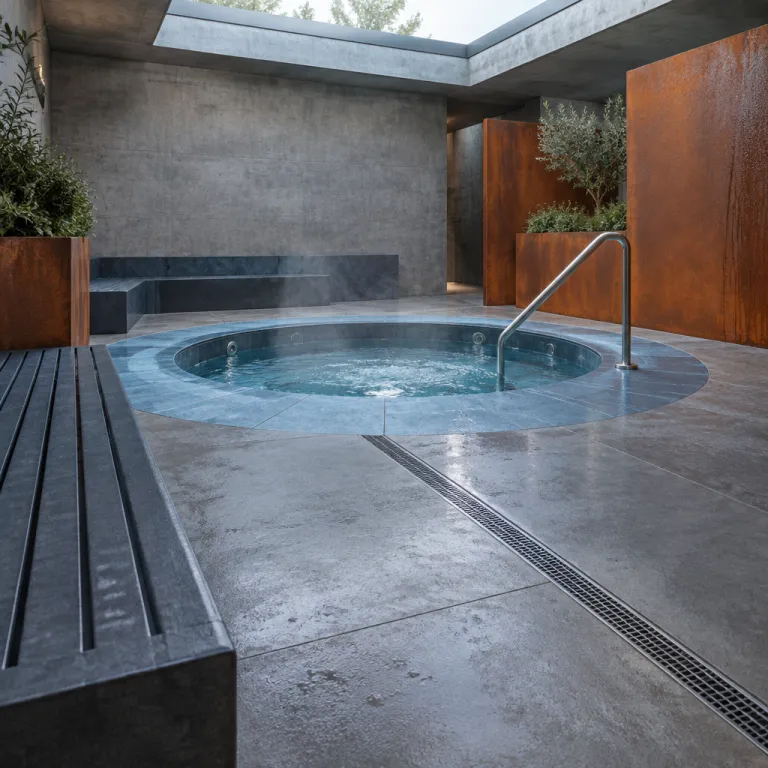
The science behind the ideal hot tub water temperature in hotel spas
Luxury hotels talk endlessly about design, yet the science of safe hot tub water temperature and spa wellness rarely makes it into the conversation. For couples planning a stay, understanding how hot water, cold water and precise temperature control affect the body can be the difference between a dreamy soak and a draining one. When you know how your nervous system responds to warm water and cold plunge rituals, you start choosing properties for their thermal intelligence, not just their marble.
From a safety and comfort perspective, spa designers and health consultants agree that the best temperature range for most guests sits between 36 and 38 degrees Celsius. In fact, one verified guideline from the Pool & Hot Tub Alliance states: “What is the ideal spa water temperature? Between 36–38°C for optimal comfort.”PHTA, accessed May 2024 Public health agencies such as the U.S. Consumer Product Safety Commission and the CDC also warn that water above about 40°C (104°F) can be unsafe, especially for vulnerable guests.CPSC, 2023; CDC Healthy Swimming, 2024
Those numbers matter because your body’s natural thermoregulation system is constantly balancing heat loss and heat gain. Stay too long in hot water above the maximum safe temperature and blood vessels dilate, blood pressure can drop when you stand up (orthostatic hypotension) and dehydration becomes more likely. This is risky for anyone with high blood pressure, cardiovascular disease, pregnancy or certain medications that already affect circulation. Keep the tub slightly warm instead of aggressively hot and you still ease stress, support muscle recovery and protect long term health during repeated tub sessions.
Think of a hotel hot tub as a precision wellness tool, not just a warm pool with jets. At around 36 to 37 degrees, water immersion supports longer sessions that calm the nervous system without overloading the heart. Push closer to 39 or 40 degrees and you move into short, targeted sessions for muscle recovery after a demanding day of skiing, hiking or long haul travel, ideally with breaks and cool-down periods between immersions.
For couples, this is where temperature awareness becomes a practical booking filter. If a property can explain its water settings clearly, you know the spa team understands how hot tubs, saunas and even a swim spa should work together as a coherent routine. When that explanation is missing, the hot tub is usually just set once and forgotten, regardless of time of day, season or guest wellness goals.
Design and ambiance: how smart hotels tune heat, light and time of day
In high end properties, the most memorable hot tub experiences come from spaces where design, light and water temperature are tuned as carefully as the wine list. The comfort of a spa soak is not only about numbers on a thermostat, it is about how warm water feels against skin at dusk, how steam catches candlelight and how your body unwinds after a long travel day. When a hotel manager collaborates closely with spa designers, the result is a thermal journey that feels natural, not mechanical.
Smart hotels now use accurate thermostats and efficient heating systems to shift temperature across the day, rather than locking the tub at a single hot setting. Cooler tub sessions around 36 degrees work beautifully in the morning, when your cortisol is naturally higher and a gentle water immersion helps you wake without stressing the nervous system. By evening, nudging the hot tub towards 37 to 38 degrees encourages melatonin production, lowers perceived stress and prepares the body for sleep, especially when combined with dimmer lighting and quieter surroundings.
Lighting and materials amplify this effect when they are handled with the same care as the water. A stone edged tub with soft indirect lighting makes warm water feel more enveloping, while a timber deck and open sky can make slightly cold air above the surface feel invigorating against a hot body. The best temperature is always relative to the setting, which is why a 37 degree tub on a snowy terrace feels very different from the same temperature in a sheltered indoor spa.
For couples planning a romantic escape, look for properties that talk openly about their thermal design, not just their room categories. A hotel that explains how its spa routine shifts between hot water, cold plunge pools and sauna sessions is usually thinking in terms of contrast therapy, not just decoration. You will find that many of the most refined stays, such as the elegant escapes with personal hot tubs highlighted on this curated guide to refined hotels with private hot tubs, treat temperature as a design material in its own right.
When you read between the lines of a spa brochure, ask how the system actually operates during a busy day. Does the team adjust the hot tubs after a rush of guests, or does the water quietly drift hotter and hotter as the evening goes on? As one senior spa consultant notes, “The difference between a pleasant soak and a medical incident is often just a few degrees and a few extra minutes.” A property that trains its équipe to monitor temperature, guest comfort and health signals in real time is far more likely to deliver a consistently luxurious soak.
Thermal journeys: from Japanese onsen wisdom to modern contrast therapy
Some of the most sophisticated hotel spa experiences borrow their logic from Japanese onsen culture, where different pools at different temperatures create a curated journey. Instead of one generic hot tub, you move between warm water, hotter pools and occasionally cold water baths, each step designed to shift how your body feels. This layered approach aligns closely with contemporary hydrotherapy science, which recognises that no single setting suits every purpose.
In a well designed onsen inspired spa, you might start with a gentle sauna to warm the body’s core. From there, a 36 degree tub prepares muscles and joints, before a brief move into a 39 degree pool for targeted muscle recovery after a demanding day on the slopes. A short cold plunge or exposure to cold water then completes the contrast therapy cycle, tightening blood vessels, helping regulate blood pressure and refreshing the nervous system.
Hotels that adopt this hot cold rhythm often report guests staying longer in the spa and describing deeper benefits. Alternating between hot tubs and cold plunges encourages healthy shifts in circulation, as vessels expand in hot water and contract again in cold water. For most healthy adults, this practice can reduce perceived stress and muscle soreness, provided sessions remain short, hydration is maintained and the temperature range stays within safe limits recommended by public health guidance.
Volcanic regions add another layer of interest, because hot spring pools bring mineral rich water immersion into the mix. Properties in geothermal destinations, such as the refined hot tub hotels in the Azores featured in this guide to volcanic soaks on Atlantic islands, often pair naturally hot water with deliberately cooler plunge pools. The contrast between a steaming hot spring tub and a bracing cold plunge becomes both a wellness ritual and a powerful design statement.
When you evaluate a spa menu, look beyond the list of massages and facials to the structure of the thermal circuit. Ask whether the hotel offers guided tub sessions that move from warm to hot to cold, or whether guests are left to improvise their own routine. A property that can explain how its thermal practice supports specific wellness goals, from stress relief to muscle recovery, and that references recognised safety standards, is usually the one that will feel most memorable long after you check out.
Smart technology, precision engineering and the future of hotel hot tubs
Technology is quietly transforming how the best hotels manage spa water temperature and guest safety. Instead of a single dial in a plant room, advanced systems now use multiple sensors to track water temperature, guest load and even outdoor weather in real time. For couples, that means the tub on your terrace can stay consistently warm without ever tipping into uncomfortably hot territory during a long evening soak.
Manufacturers such as Caldera and Fantasy Spas have been pushing a shift from generic jets towards therapeutic precision, with engineering that targets specific muscle groups. In practice, this allows spa designers to pair certain jet zones with specific temperature bands, such as slightly hotter water for short, focused muscle recovery sessions after sport. When hotel managers understand this, they can brief their équipe to suggest different seats, jets and temperatures depending on each guest’s wellness goals.
Smart controls also make it easier to respect the safe upper limit of around 40 degrees Celsius mentioned in professional guidelines. A well configured system helps staff avoid accidental overheating during busy periods, which is especially important for guests with high blood pressure, heart disease, pregnancy or other health vulnerabilities. Some properties now integrate app based controls that let you pre set your preferred best temperature for a private hot tub before you even return to your suite.
For design led hotels, the next step is linking these systems to lighting, sound and even circadian aware programming. Imagine a swim spa on a rooftop that automatically shifts from a cooler, invigorating setting in the morning to a warmer, more languid mode at sunset, with music and lighting to match. This is not gadgetry for its own sake, it is a way to align the spa routine with the body’s natural rhythms across the day and reduce the risk of overheating late at night.
When you browse property descriptions, pay attention to how they talk about technology in the spa. A hotel that mentions energy efficient heating systems, accurate thermostats and smart temperature control is signalling a serious approach to both wellness and sustainability. Those details often correlate with better water quality, more attentive maintenance and a more refined overall experience in the hot tubs you are actually paying to use.
How to read hotel listings and choose a truly restorative hot tub stay
Most booking pages still treat the hot tub as a simple amenity tick box, which is why understanding spa temperature science becomes your quiet advantage. When you know what to ask, you can separate a generic tub from a carefully curated spa experience in a few precise questions. Couples who travel often quickly learn that the most romantic soak is the one where the water, the view and the time of day all align.
Start by asking the hotel how they manage temperature across the day and whether they adjust for different sessions. A thoughtful answer might mention a standard range of 36 to 38 degrees for general use, with slightly cooler settings during busy periods to protect guest health. If the team can explain how their system helps regulate blood pressure, reduces dehydration risk, supports the nervous system and avoids excessively hot water, you are likely in expert hands.
Next, look for signs that the spa practice is integrated into the wider guest routine, not bolted on as an afterthought. Properties that talk about pairing sauna time with short tub sessions, or alternating hot tubs with cold plunges, usually understand contrast therapy as more than a trend. You will see this mindset in places that offer private terraces, clear guidance on session length and staff who can adapt recommendations to your wellness goals.
For inspiration, explore curated resources that focus specifically on design forward hot tub stays, such as this guide to hotel suites with private hot tubs for deep relaxation. These selections highlight properties where the best temperature is not an accident but a deliberate choice, often linked to the local climate and landscape. A mountain retreat might keep tubs slightly hotter to offset cold air, while a coastal spa uses gentler warmth to encourage longer, more meditative sessions.
Finally, be honest about your own body’s natural responses and any medical conditions. If you live with high blood pressure, cardiovascular concerns, pregnancy or fainting episodes, ask explicitly about maximum water temperature, recommended session length and access to cooler pools or showers nearby. A hotel that answers these questions with clarity and confidence is not only safer, it is far more likely to deliver the kind of quietly luxurious soak that defines a truly premium stay.
FAQ
What is the safest water temperature for a hotel hot tub?
For most healthy adults, a hotel hot tub is safest when the water temperature stays between 36 and 38 degrees Celsius. Industry guidance from organisations such as the Pool & Hot Tub Alliance notes: “What is the ideal spa water temperature? Between 36–38°C for optimal comfort.”PHTA, accessed May 2024 Public health sources, including the U.S. Consumer Product Safety Commission, also warn that temperatures above about 40°C (104°F) can be unsafe and increase the risk of overheating, fainting and complications for vulnerable guests.CPSC, 2023
How long should I stay in a hot tub at a spa?
At typical hotel spa temperatures around 37 to 38 degrees, many experts suggest limiting a single session to 15 or 20 minutes. Safety recommendations from agencies such as the CPSC emphasise keeping sessions short, especially at higher temperatures.CPSC, 2023 Shorter immersions are advisable if you feel light headed, if the tub feels very hot or if you have high blood pressure or cardiovascular issues. Taking breaks between tub sessions, cooling down gradually and drinking water helps your body recover and keeps the experience comfortable.
Is it safe to combine sauna, hot tub and cold plunge during one visit?
Combining sauna heat, hot tub soaks and cold plunge pools can be beneficial when done thoughtfully and in short intervals. The contrast between hot and cold water encourages circulation changes, but it also stresses the cardiovascular system and can trigger dizziness or a sudden drop in blood pressure when you stand up. Guests with heart conditions, high blood pressure, pregnancy or a history of fainting should seek medical advice and always follow the hotel’s safety guidance before attempting contrast therapy.
How can I tell if a hotel manages its spa temperatures professionally?
Hotels that manage spa temperatures well usually mention specific ranges, such as 36 to 38 degrees, and refer to accurate thermostats or advanced control systems. Staff should be able to explain how they adjust water temperature across the day, how they prevent overheating during busy periods and what guidance they give on session length. If the team cannot answer basic questions about temperature, safety signage, hydration or who should avoid very hot water, the spa is unlikely to be operating at a truly premium standard.
Does a cooler hot tub still offer wellness benefits?
A slightly cooler hot tub around 36 degrees can still provide strong wellness benefits, especially for longer relaxation sessions. At this temperature, the body can stay immersed comfortably without overheating, which supports stress reduction, gentle muscle recovery and better sleep later in the evening. Cooler settings are also more suitable for guests with health concerns, making the experience inclusive without sacrificing the sense of luxury or the soothing effect of warm water.
References
Pool & Hot Tub Alliance – industry guidance on spa water temperature and bather comfort (Spa and Hot Tub Use Fact Sheet, accessed May 2024).
U.S. Consumer Product Safety Commission – public safety advice on maximum hot tub temperatures and exposure times (Portable Spa Safety Information Center, updated 2023).
Centers for Disease Control and Prevention (CDC) – healthy swimming and spa use recommendations (Healthy Swimming & Hot Tubs hub, reviewed 2024).
Caldera Spas – manufacturer insights on hydrotherapy engineering and targeted jet design (product literature and hydrotherapy guides, 2023).
Fantasy Spas – product documentation on hot tub controls, energy efficient heating and user safety (owner’s manuals and safety guidance, 2023).