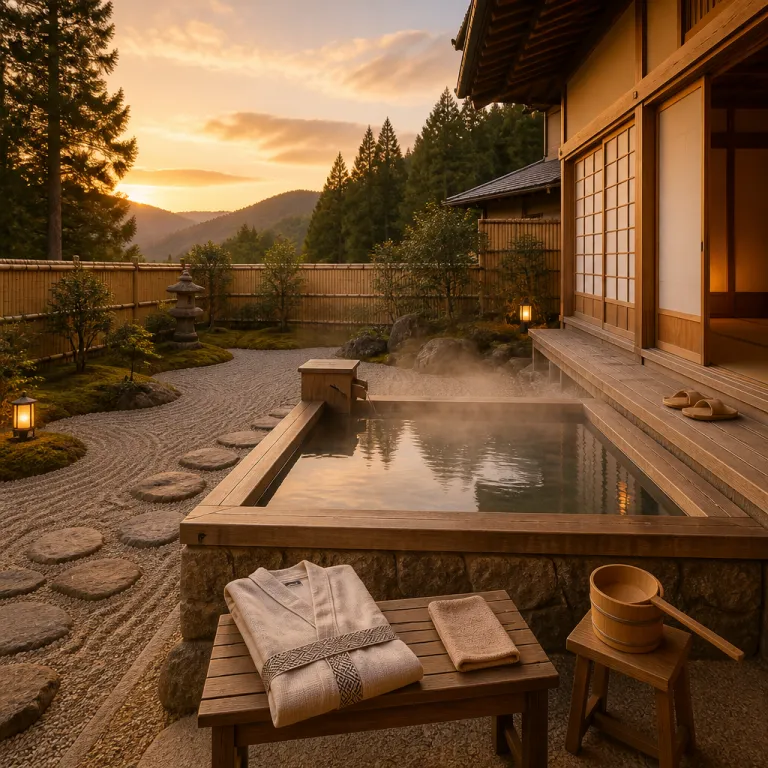
Why Japanese onsen etiquette matters for luxury travellers
Stepping into a japanese onsen for the first time can feel intimidating. For a western first time traveller, the combination of nudity, ritual and silence in japan can seem like a test rather than a treat. Yet once you understand the rhythm of an onsen stay in a ryokan, the experience becomes one of the most refined forms of geothermal bathing anywhere in the world.
Think of this as a japanese onsen etiquette ryokan guide first time traveller edition, written for guests who already care about the right hot water, the right view and the right room. You are not just booking a hot spring bath ; you are entering a traditional japanese bathing culture where the temperature of the onsen water, the layout of the bathing area and even the way you carry your small towel all signal quiet respect. Luxury ryokans know you are learning, and the best ones will guide you gently while still protecting the atmosphere of their hot springs.
Across japan there are thousands of onsen, from simple public bath houses to elaborate onsen ryokan retreats where every stay is built around the baths. For hot tub focused travellers used to hotel spas, the key difference is that onsen baths are fed by natural spring water, often rich in minerals and much hotter than a standard hotel whirlpool. That is why understanding how long to spend in the hot water, when to rest in your room and how to move through the changing room without fuss will shape your entire trip.
The step by step ritual: from changing room to onsen bath
Your onsen stay usually begins soon after check in, once ryokan staff have shown you to your tatami room and poured the first tea. In many ryokans the suggested timeline is clear ; change into your yukata robe, walk quietly to the bathing area, then leave everything except your small towel in the changing room baskets or lockers. This sequence is not theatre for tourists but the distilled routine of generations of japanese bathers who treat hot springs as both daily life and medicine.
At the threshold of the public bath you will see low stools, hand showers and wooden buckets, all arranged to make washing before the bath effortless. This is the non negotiable core of onsen etiquette in japan ; you must wash your body and hair thoroughly with soap and shampoo, rinse completely so no foam remains, then sit a moment to let your skin adjust before you even think about the hot baths. The guidance many ryokans post is simple and direct : "Bring a small towel.", "Remove all clothing before entering.", "Wash thoroughly before bathing.", "Avoid loud conversations.", "Do not bring phones into the onsen."
Only after this careful washing do you move, still naked, toward the onsen bath itself, carrying that small towel folded in one hand. The towel never touches the onsen water ; rest it on your head or on the edge of the bath, keeping the spring water as pure as possible for every guest. Take your time as you descend, because the hot water in a japanese onsen is usually around forty to forty four degrees Celsius, significantly hotter than most hotel hot tubs and demanding shorter, more mindful sessions.
For travellers who love spa suites and hydrotherapy circuits, this ritual may feel formal at first, yet it quickly becomes as natural as turning down service in a luxury hotel. If you are planning a wider spa focused travel itinerary, pairing an onsen japan journey with other high end soaking experiences can work beautifully, and resources such as this guide to luxury hotel booking with spa baths help you compare western style spa baths with traditional japanese hot springs. Once you have internalised the etiquette, every subsequent trip to an onsen ryokan feels less like a lesson and more like returning to a favourite thermal club.
Rotenburo, private onsen and the luxury of choice
Not all onsen baths are created equal, and for a hot tub obsessed traveller the distinction between indoor pools and open air rotenburo is crucial. A rotenburo is an outdoor onsen bath, often framed by rocks, cedar fences or mountain views, where steam rises into cold night air while the hot spring water wraps your body. This contrast between crisp air and hot water is where many guests say the experience japan really begins, especially in regions like Hakone, Kinosaki or Noboribetsu where the landscape amplifies every soak.
Luxury ryokans usually offer a mix of indoor bathing area facilities and open air pools, sometimes with separate zones for men and women that switch by time of day so every guest can try each view. For those who feel anxious about their first time in a public bath, many properties now offer private onsen options, known as kashikiri baths, which can be reserved by the hour. These private onsen rooms or terraces often cost between three thousand and eight thousand yen per session, and they are ideal for couples, families or tattooed travellers who want the full onsen water experience without worrying about other guests.
Some suites in high end onsen ryokan even include a private open air tub on the balcony, fed directly by spring water so you can bathe at any time during your stay. This blurs the line between the classic hot tub suite and a traditional japanese hot spring, giving you the freedom to soak before breakfast, after kaiseki dinner or in the middle of the night when the property is silent. If you are drawn to the idea of daily contrast therapy and hydro rituals, you may also appreciate urban concepts such as the members only bathing clubs described in this feature on a contrast therapy bathing club, which echo some of the same principles as onsen culture while using different water sources.
Temperature, timing and the kaiseki onsens cycle
For a first time visitor, the intensity of hot springs in japan can be surprising, because the hot water is usually several degrees warmer than a typical hotel spa tub. Most japanese onsen pools sit around forty degrees Celsius or slightly above, and some volcanic areas push closer to forty four degrees, which is why locals enter slowly and rarely stay in for more than ten or fifteen minutes at a stretch. Treat each immersion as a short, focused session rather than a long soak, then rest on a bench or in your room to let your body cool before returning to the baths.
Luxury ryokans structure the entire evening around this rhythm, creating what many travellers call the kaiseki onsens cycle. You arrive, change in the room, bathe in the public bath or a private onsen before dinner, then sit down to a multi course kaiseki meal that reflects local produce and the mineral character of the region’s spring water. After dinner you return to the bathing area for another onsen bath, often choosing an open air pool this time so the night sky and cooler air balance the heat of the onsen water.
This cycle is not arbitrary ; it is built on generations of observation about how the body responds to repeated exposure to hot springs. Short, frequent baths in mineral rich hot water improve circulation and sleep, while the quiet walk between room and changing room gives your nervous system a chance to reset. If you are designing a wider itinerary of spa focused travel, combining this japanese onsen etiquette ryokan guide first time traveller approach with other geothermal or hydrotherapy stays can create a powerful wellness arc, and resources such as this overview of a premium hotel booking site for luxury hotels can help you weave onsen stays into a broader trip.
Regional onsen styles and what luxury ryokans quietly forgive
Choosing where to take your first onsen trip in japan shapes the entire experience, because each hot spring area has its own character. Hakone, within easy travel distance of Tokyo, offers refined onsen ryokan with views of forested hills and often Mount Fuji, making it ideal for a short stay where you can test your onsen etiquette without leaving the main travel corridor. Beppu on Kyushu is more volcanic and theatrical, with multiple types of hot springs and steam rising from the streets, while Kinosaki invites you to wander in yukata between seven public baths that each showcase different styles of onsen water.
Further north, Noboribetsu in Hokkaido sits in a dramatic volcanic valley where the spring water emerges in different colours and mineral compositions, giving each bath a distinct feel on the skin. In all these regions, the core expectations remain the same ; wash thoroughly, keep your small towel out of the bath, move quietly through the bathing area and respect the shared nature of the hot springs. Yet luxury ryokans in these destinations are used to international guests, and while they care deeply about traditional japanese practice, they also understand that a first time visitor will make small mistakes.
What do they forgive ? Staff will usually overlook a guest who hesitates at the edge of the onsen bath, or who needs to return to the changing room twice because they forgot a hair tie or towel. Many properties now provide clear multilingual signage explaining that swimsuits are not allowed in the public bath and that some onsen permit tattoos while others still restrict them, echoing the practical advice that "No, swimsuits are not allowed in traditional onsen." and "Some onsen permit tattoos; it's best to check in advance." For anything more complex, such as arranging a private onsen session or understanding regional bathing customs, a quiet question at reception will usually be met with patient, detailed guidance.
From hot tub suites to onsen japan: planning your first stay
If your reference point is a luxury hotel with a hot tub on the terrace, shifting to an onsen stay in japan means rethinking what you value in a soak. Instead of jets and coloured lights, the focus moves to the quality of the spring water, the exact temperature of the hot water and the way the bath is framed by stone, wood and landscape. A japanese onsen etiquette ryokan guide first time traveller approach encourages you to ask new questions when booking, such as whether the property offers both indoor and open air baths, or if there is a private onsen available for exclusive use.
When comparing ryokans, look beyond room size and think about how the bathing area fits your travel style, especially if you are a solo explorer. Some onsen ryokan emphasise large public bath halls with multiple pools, cold plunges and saunas, while others focus on intimate open air tubs where you may share the hot springs with only a handful of guests at any time. Check whether the onsen water is directly sourced from a local hot spring or reheated spring water, and whether the property offers guidance in English on onsen etiquette so your first time feels supported rather than stressful.
For travellers who plan several experiences japan in one trip, it can be rewarding to combine a night in a classic ryokan with a stay in a contemporary luxury hotel that features a deep soaking tub or hot tub in the room. This lets you compare the ritual of the public bath with the privacy of your own water, and to notice how your body responds differently to geothermal hot springs versus standard heated baths. As you refine your preferences, you will become the kind of guest who can read an onsen japan listing as closely as a wine label, understanding at a glance which stay will give you the quiet, mineral rich immersion you are really seeking.
FAQ
Can I wear a swimsuit in a japanese onsen ?
Traditional japanese onsen culture requires full nudity, so swimsuits are not allowed in standard public baths. Properties that do permit swimwear usually label those pools as mixed gender spa areas rather than true onsen baths. If you feel uncomfortable, consider booking a private onsen room where you can control the level of privacy while still enjoying natural hot spring water.
Are tattoos accepted in onsen ryokan ?
Tattoo policies vary widely between ryokans and regions, with some fully accepting ink and others still restricting access to public baths. Many luxury properties now offer private onsen options so tattooed guests can enjoy the hot springs without concern. It is always best to check the policy before you travel, either on the property website or by emailing the ryokan directly.
How hot is the water in a japanese onsen ?
Onsen water in japan typically ranges from about forty to forty four degrees Celsius at the point of bathing, which is hotter than most western style hot tubs. This is why locals enter slowly, limit each immersion to a short period and rest between baths. If you are sensitive to heat, start with the cooler pools or sit on the edge so your body can adapt over time.
What should I bring to the changing room and bathing area ?
Most onsen ryokan provide everything you need, including large towels, a small towel, soap, shampoo and hair ties. In the changing room you undress completely, store your clothing and valuables, then carry only your small towel into the bathing area. Leave phones and cameras in your room, because photography is not appropriate in shared nude spaces.
Is onsen bathing safe for everyone during a trip ?
For most healthy travellers, short sessions in hot springs are safe and can support relaxation, circulation and sleep. Guests with heart conditions, low blood pressure or pregnancy should consult a medical professional before planning an onsen stay, and once at the ryokan they should avoid very hot baths and long immersions. Drinking water, resting between sessions and listening to your body will help you enjoy the experience comfortably.