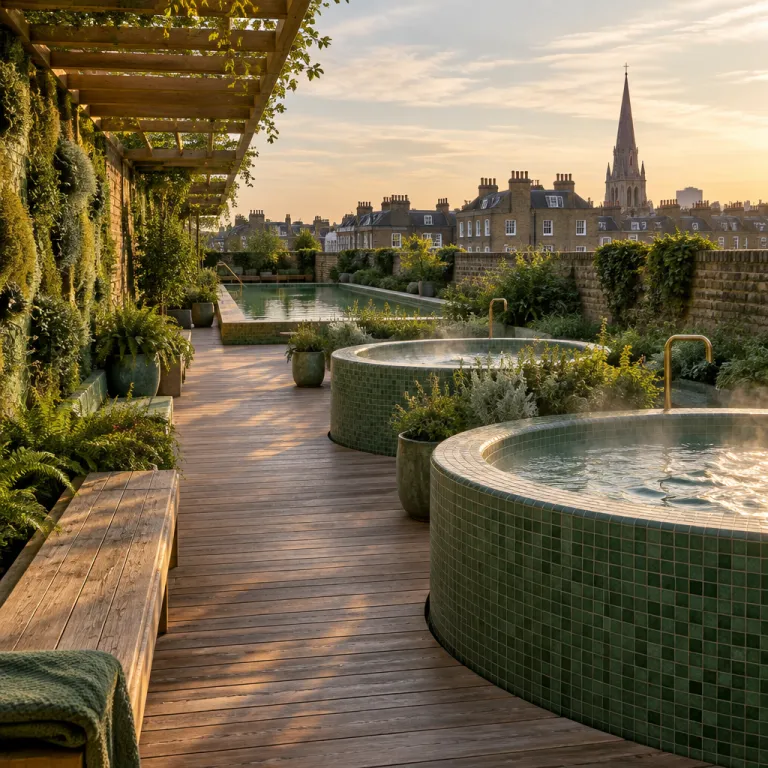
From hotel gym corner to London thermal bathhouse hotel spa urban soak wellness circuit
London is finally treating heat and water as a ritual rather than a post treadmill rinse. The new wave of urban thermal bathhouse style hotel spas is defined by purpose built thermal journeys, not a lonely hot tub beside a swimming pool and a tired treadmill. For business travellers, that shift turns a rushed shower into a structured reset between meetings.
A genuine urban thermal experience in central London starts with range, not décor. You want a sequence that moves you through a hydrotherapy pool, a properly hot sauna or steam cabin, a cool plunge and a quiet relaxation space where your pulse can settle. When a hotel spa only offers a small pool treatment corner and a token steam room, you are in gym annex territory, not in the world of serious spas.
Look closely at the treatment menu before you book any hotel rooms for a work trip. A serious London spa will list contrast focused treatments, such as a full body massage that integrates time in a vitality pool or hydrotherapy pool rather than keeping water and massage separate. At places like the Guerlain Spa at Raffles London at The OWO or the Mandarin Oriental Hyde Park spa, treatment rooms are designed around heat, humidity and silence, not just background music.
In this new landscape, the hot tub is no longer the star of the show. It becomes one temperature point in a wider circuit that might include ancient baths inspired pools, a modern aire ancient style thermal sequence and a calm swimming pool for slow laps. At Bulgari Hotel London in Knightsbridge, for example, the 25 metre pool, vitality pool and sauna steam zones create a compact city thermal park rather than a leftover corner of the fitness floor.
The business leisure reset: thermal circuits between boardrooms and bedrooms
For the business leisure traveller, time is the rarest luxury in London. A well designed thermal circuit in a central hotel spa can compress a full day of decompression into 60 focused minutes between a pitch and a dinner. The key is to treat the spa as a protocol, not a vague wander between a sauna steam cabin and a lukewarm pool.
Start by booking a defined slot at a central London day spa or hotel spa that publishes its thermal sequence clearly. You are looking for a route that alternates heat, cold and rest, ideally with access to a hydrotherapy pool, a dry sauna, a steam room and a quiet lounge with low light. When the circuit is mapped out, your mind can switch from decision making to following simple, physical steps.
Many London spa teams now pair these circuits with targeted treatments that respect your schedule. A 45 minute full body massage that follows a short vitality pool immersion can be more effective than a longer treatment that ignores your nervous system. If you extend your stay into the weekend, consider booking a second session to explore the wider treatment menu and compare how your body responds after a lighter workday.
Thermal timing matters as much as the massage itself for jet lagged executives. Late evening sessions can support sleep, while a mid afternoon pool treatment and contrast circuit can clear the fog before a client dinner, as explored in this analysis of the overnight soak and circadian timed bathing. When you view London’s new bathhouse style hotel spa offerings through this lens, the wellness floor becomes a strategic tool rather than a vague perk.
London versus New York: heritage, hotels and the new social soak
New York’s bathhouse revival has been loud, social and often club like. London’s answer to the urban soak leans into heritage, layering ancient baths references and aire ancient style atmospheres into hotel led spaces rather than standalone members only venues. That difference matters when you are choosing where to stay for a work heavy week.
In London, the most interesting thermal experiences often sit beneath established hotel names rather than in converted warehouses. A spa inside a grand hotel can combine a serious swimming pool, a hydrotherapy pool and a series of treatment rooms with direct lift access from your floor. At The Langham’s Chuan Spa or the Corinthia London ESPA Life, that integration makes it easier to turn a short break between calls into a meaningful thermal reset.
New York’s bathhouses tend to foreground community and noise, while London’s spas still prioritise privacy, beauty and calm. You will find more whispered conversations than rooftop parties, more dimly lit vitality pool corners than neon lit plunge pools. For business travellers, that quieter tone can be an advantage, especially when you need to review a contract mentally while your muscles soften in the sauna steam heat.
As the city experiments, some hotel spa teams are adopting contrast therapy circuits inspired by global best practice. The most thoughtful examples echo the approach described in this piece on the shift from ice baths to protocol driven thermal circuits, focusing on repeatable sequences rather than shock value. That is where London’s urban soak trend feels most mature, and where your time and budget are best spent.
How to read a London spa: what separates serious heat from soft marketing
Evaluating a London spa from a website alone can be tricky. Start with the basics; the presence of a proper swimming pool, a clearly described hydrotherapy pool or vitality pool and a dedicated sauna steam zone signals intent. When a property only mentions a small pool treatment area and a generic relaxation space, expectations should stay modest.
Next, study the treatment menu with the eye of a sceptical editor. Look for treatments that integrate time in water, such as a full body massage that begins with a guided thermal circuit or a pool treatment designed to complement a specific massage. If the menu is dominated by generic beauty facials and vague wellness rituals, the supposed urban soak positioning may be more marketing than reality.
Pay attention to language around quiet hours and capacity control in central London properties. Serious spas limit numbers in the steam room and hydrotherapy pool, and they often offer early morning or late evening slots tailored to business guests. That is when you can move through the sauna steam, ancient baths inspired pools and treatment rooms without feeling rushed or crowded.
Finally, consider how the spa connects to the rest of the hotel. Direct lift access from rooms to the hotel spa, thoughtful in room information about the spa facilities and clear guidance on day spa access all indicate a joined up approach. When the wellness offer feels woven into the stay, you are more likely to use it fully rather than treating it as an afterthought.
Where London still falls short of resort style thermal escapes
For all its progress, London remains a dense city, not a spa town. Even the best hotel spa facilities in Mayfair or along Park Lane cannot fully replicate the slow, all day rhythm of a countryside thermal resort. That gap matters if you are expecting the city’s bathhouse inspired hotel spas to deliver endless lounging rather than focused circuits.
Space is the first constraint, especially in historic buildings near a royal park or in tightly packed city blocks. Pools tend to be shorter, hydrotherapy pool zones more compact and treatment rooms fewer in number than at destination spas. You may need to book your preferred treatment day and time well in advance, particularly if you want a full body massage that aligns with your meeting schedule.
Air quality and sound are the second limitation in a busy city. Even with careful design, a swimming pool beneath a lobby can carry faint echoes of the bar, and a steam room may feel less secluded than an outdoor thermal pool in the countryside. The urban soak experience excels as a precise reset, not as a week long immersion.
That is why many frequent travellers pair London stays with occasional trips to larger European spas or ancient baths destinations. They use London spa visits, sometimes at a refined day spa, as maintenance between deeper retreats, choosing properties where the hotel, rooms and spa offers align with their work patterns. For a nuanced take on how technology can either support or distract from this ritual, see the discussion of whether smart hot tubs and app controlled jets are over engineering the soak.
How luxury booking platforms can curate London’s new thermal landscape
For travellers using a luxury and premium booking website focused on hotels with hot tubs, the rise of sophisticated urban spa circuits in London demands better filters. It is no longer enough to tick a generic spa box and hope for the best. The most useful platforms now differentiate between a simple hotel pool and a full thermal circuit with hydrotherapy pool, vitality pool and structured treatments.
Curated listings should highlight which London spa properties offer serious contrast circuits, clear quiet hours and integrated treatment rooms rather than scattered facilities. A refined search might allow you to prioritise a hotel spa in Mayfair with a deep swimming pool and strong massage programme, or a central London address near a park with a calmer day spa atmosphere. When platforms surface this level of detail, business leisure guests can align their bookings with their wellness routines.
Transparency around brands and partnerships also matters in this space. Names such as Raffles, Raffles London, Spa Raffles, Guerlain, Guerlain Spa and Mandarin Oriental signal certain expectations around beauty treatments, massage quality and service culture. Yet even within these brands, the depth of the thermal circuit and the feel of the wellness floor can vary, so detailed descriptions of each hotel, its rooms and its spa offers remain essential.
Ultimately, the most valuable booking tools act less like catalogues and more like editors of the city’s spas. They explain how a Park Lane property’s pool treatment options differ from a quieter hotel near a park, and how a central London day spa compares with an aire ancient inspired space that nods to historic bathhouses. For travellers who see heat, water and time as non negotiable parts of a trip, that level of curation turns a simple reservation into a considered wellness strategy.
FAQ
What defines a true London thermal bathhouse hotel spa urban soak wellness experience ?
A true London thermal bathhouse hotel spa urban soak wellness experience offers a structured circuit of heat, cold and rest rather than a single hot tub. You should find a combination of sauna steam, steam room, hydrotherapy pool or vitality pool and a calm relaxation area. When these elements are integrated with targeted treatments and clear guidance, the spa moves beyond a basic hotel amenity.
How can I fit a thermal circuit into a busy business trip in London ?
Focus on short, well designed sessions rather than long, unfocused visits. Book a central London hotel spa or day spa that publishes a clear thermal sequence and reserve a 60 to 90 minute slot outside your key meetings. A concise circuit followed by a focused full body massage can deliver more benefit than a longer, unstructured spa day.
What should I look for when choosing a London spa through a booking website ?
Look for detailed descriptions of the spa facilities, not just a generic spa label. Prioritise properties that list a swimming pool, hydrotherapy pool or vitality pool, sauna steam zones, steam room and well equipped treatment rooms. Check whether the treatment menu includes water integrated treatments and whether quiet hours are offered for guests.
Are London hotel spas comparable to destination thermal resorts ?
London hotel spas can offer sophisticated thermal circuits, but they rarely match the scale of destination resorts. Space constraints mean pools and hydrotherapy areas are often more compact, and stays are usually shorter. Think of the London thermal bathhouse hotel spa urban soak wellness scene as an effective urban reset rather than a full week retreat.
Do brand names like raffles london or mandarin oriental guarantee a better spa experience ?
Brands such as Raffles, Raffles London, Spa Raffles, Guerlain Spa and Mandarin Oriental often indicate strong service standards and refined treatments. However, the quality of the London spa facilities and the depth of the thermal circuit still vary by property. Always read detailed descriptions and recent reviews to ensure the hotel spa matches your expectations for heat, water and wellness.