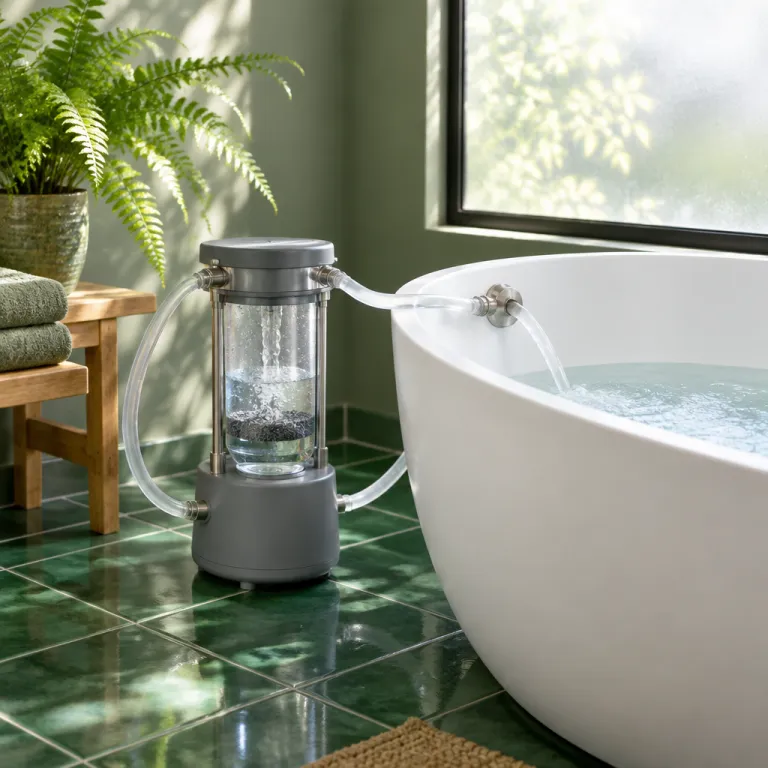
Why every hot tub is a test of a hotel’s water ethics
A private hot tub on a terrace looks effortless, yet every filled tub is a standing argument about water and energy. For a luxury hotel that promises a sustainable experience, the real question is how that spa’s water system is engineered behind the scenes, from greywater recycling to rainwater capture and on site treatment. When you book, you are not just choosing a view; you are choosing a water story, a carbon story and a set of sustainable practices that either respect or ignore the landscape.
Most guests underestimate how much water a single spa tub holds, and how often that water is drained, reheated and replaced. A typical four person hot tub can hold 1,200–1,700 litres, and in a property with multiple spas and villas, total water usage can quietly rival that of a small lodge or even a village, especially where potable water is scarce and drinking water is trucked in. Industry case studies from water stressed regions suggest that spa and pool facilities can account for 15–25% of a resort’s total water consumption, which is why the most serious players in the spa industry now treat every tub as part of a wider water conservation strategy, linking it to a recycling system, a discreet wastewater treatment plant and a carefully tuned irrigation system for gardens.
The footprint does not stop at the pool edge, because heating the water and running air conditioning in spa suites can dominate a hotel’s carbon footprint. If that energy comes from fossil fuels, the soak is anything but carbon neutral, no matter how eco friendly the bathroom amenities look. In several published hotel audits, switching spa heating from gas to high efficiency electric systems cut energy use for hot water by 40–60%, yet many properties still rely on older boilers. When you read sustainability news or a green brochure, ask yourself whether the spa’s water and energy systems are described with engineering detail or just wrapped in vague eco language about being natural and green.
From open drain to closed loop: how greywater systems change the soak
Traditional spas treated tub water as disposable, draining it after a few uses and sending it straight to the sewer. Closed loop thinking starts from a different place, asking how a modern hot tub can keep water in circulation as long as quality and safety allow. That is where greywater recycling, rainwater capture and on site wastewater treatment quietly rewrite the rules of luxury soaking.
Greywater is lightly used water from showers, tubs and bathroom sinks, which can be filtered and reused for toilet flushing or for feeding an irrigation system that keeps gardens lush without tapping extra potable water. In a coastal lodge near a national park or on an island such as Mauritius, this shift can dramatically reduce water usage, because treated water from the spa can irrigate landscaping instead of being lost. Documented hotel projects in Mediterranean and island destinations report 25–40% reductions in mains water demand after installing central greywater recycling systems. When a hotel connects its spas, villas and main lodge to a central greywater recycling system, the same litre of water may cool your feet in the spa, then later nourish local plants that frame your sunset view.
Rainwater adds another layer, especially in destinations with intense September storms that refill cisterns in a single night. Collected rainwater can be filtered to near drinking water quality for some uses, or blended with other sources to reduce water consumption in the spa area. In some certified eco lodges, rainwater harvesting now supplies 20–50% of non potable demand, easing pressure on local aquifers. If you care about sustainability, ask the property whether its hot tubs sit on a closed loop system that links greywater reuse, rainwater storage and garden irrigation, and read how that system is described in any green certification or in depth wellness travel guide such as the analysis of new green requirements for hotels.
Heat without guilt: energy, temperature and the new spa engineering
Water is only half the equation; the other half is heat, because a tub at 38 °C is essentially a small thermal power project. Older spas often rely on gas boilers that push up both operating costs and the carbon footprint of every soak, especially where air conditioning already strains the grid. The new generation of sustainable spa design leans on heat pumps, high efficiency electric systems and, where geology allows, geothermal energy that sips rather than gulps.
Heat pump technology moves heat rather than generating it, which means a well designed system can warm spa pools while also assisting with space heating or even preheating domestic water for showers. Field data from hotels that have retrofitted air source heat pumps in place of gas boilers show energy savings of 30–70% for hot water production, depending on climate and system design. In some mountain lodge properties, geothermal boreholes feed a central plant that supplies multiple spas and villas, turning the entire hotel into a quiet thermal network instead of a cluster of energy hungry islands. When you read technical notes or sustainability reports, look for clear references to the spa industry using heat pumps, energy recovery from wastewater treatment plants and integrated recycling system controls, not just generic eco friendly claims.
There is also a design shift toward better insulation, smart covers and circulation patterns that reduce water usage by cutting evaporation rather than constant refills. Independent tests on insulated spa covers suggest heat loss reductions of 50% or more compared with uncovered tubs, which directly lowers both water consumption and electricity demand. Some hotels now pair these systems with digital controls that avoid overheating tubs when suites are empty, a topic explored in depth in this analysis of energy efficient hot tubs. When a property talks about being carbon neutral, ask how that status accounts for hot tub heating, air conditioning in spa suites and the full chain of water consumption from source to soak.
How to read between the green lines when you book
Marketing language loves the words eco, green and sustainable, but your booking choices deserve more precision. When a hotel promotes a climate conscious spa or hot tub, you should be able to read specific references to greywater recycling, rainwater capture, water conservation targets and on site wastewater treatment. Vague mentions of being eco friendly or supporting local communities are not enough when thousands of litres of water and significant energy are at stake.
Start with the basics and ask how often spa tubs are fully drained, how that water is treated and whether treated water is reused for toilet flushing or landscaping. A property that has invested in a serious recycling system will usually be proud to explain how greywater from spas and villas feeds an irrigation system, how potable water is reserved for drinking water and showers, and how they reduce water consumption during low occupancy. If the team can talk clearly about water usage per guest night, the balance between natural springs and municipal supply, and the role of local regulations, you are likely in a place where sustainability is operational rather than cosmetic.
Then move to energy and carbon, asking whether the spa industry facilities are powered by renewables, how air conditioning loads are managed and whether any carbon footprint figures include the hot tubs. A hotel that takes sustainable practices seriously will often share news about certifications, national park partnerships or pilot projects in water recycling, rather than just posting a single green logo on its website. For a deeper sense of how technology can help or hinder, the analysis of smart hot tub systems is a useful read before you decide how much automation you actually want around your soak.
The honest tension: luxury soaking, local limits and what matters most
Even the best engineered system cannot erase the fact that a hot tub is a luxury use of water and energy. The most responsible response is not to abandon the soak, but to insist that every spa respects local limits on water availability and ecosystem health. That means asking how the property balances guest comfort with the needs of nearby communities, rivers and protected landscapes.
In water stressed regions, a lodge near a national park or a coastal villa in Mauritius might cap the number of private spas, focusing instead on a few central pools linked to robust greywater recycling and wastewater treatment plants. Some hotels choose to reduce water in other areas, trimming lawn irrigation, rethinking laundry schedules and redesigning air conditioning systems to cut overall water usage and energy demand. When you read their sustainability news, look for concrete steps such as switching to treated water for garden use, reserving potable water for drinking water only and publishing transparent data on water consumption trends.
For many travellers, the most meaningful luxury is knowing that their soak does not quietly undermine local water conservation efforts or inflate a hidden carbon footprint. Choosing properties that invest in serious recycling system infrastructure, that treat water as a shared natural resource and that embed sustainable practices into every spa decision is a powerful way to vote with your booking. The closed loop future will not make hot tubs impact free, but it can turn them from careless symbols into carefully managed rituals that sit more lightly on the places we love to visit.
FAQ
How can I tell if a hotel hot tub is really sustainable ?
Look for clear explanations of how the hotel manages water, energy and wastewater, not just generic eco claims. A genuinely responsible spa will usually be linked to greywater recycling, rainwater capture, on site wastewater treatment and a defined recycling system for irrigation or toilet flushing. As a quick checklist, ask about: litres of water used per guest night, how often tubs are drained and refilled, whether treated water is reused for landscaping, and which certifications (for example EU Ecolabel, Green Key or local eco labels) apply to the spa area. If staff can explain water usage, water consumption per guest and how they reduce water without compromising safety, that is a strong sign of serious sustainable practices.
Is greywater safe to reuse around a spa area ?
Greywater can be safely reused when it is properly filtered, disinfected and directed to appropriate uses such as toilet flushing or feeding an irrigation system, rather than being treated as drinking water. Hotels that reuse greywater from spas and bathrooms must comply with local regulations and operate reliable wastewater treatment systems to protect guests and the environment. As a guest, you should expect treated water used for non potable purposes and potable water reserved for taps, showers and the bar.
Does using a hot tub always increase my travel carbon footprint ?
Any heated water feature adds to your carbon footprint, but the size of that impact depends heavily on how the hotel sources energy and manages heat. Properties that use heat pumps, renewable electricity or geothermal systems, and that insulate tubs well, can reduce energy demand significantly compared with gas heated spas. Published comparisons between gas boilers and modern heat pumps in hospitality settings show carbon emissions per unit of heat falling by 30–60% when electricity is partly renewable. Choosing hotels that publish carbon neutral or low carbon strategies, and that integrate hot tubs into those plans, is one of the most effective ways to align comfort with sustainability.
Are rainwater fed hot tubs a realistic option in luxury hotels ?
Rainwater is increasingly used as a supplementary source in water smart properties, especially in regions with reliable rainfall and good storage capacity. In many cases, collected rainwater is filtered and blended with other sources, then used to offset water consumption in spa areas or for landscaping rather than filling every tub outright. When a hotel mentions rainwater in its sustainability news, ask whether it supports the spa industry facilities directly or mainly helps reduce water usage in gardens and back of house operations.
What questions should I ask before booking a spa suite with a private tub ?
Ask how often the tub is drained, how that water is treated and whether treated water is reused for irrigation or toilet flushing. It is also worth asking whether the spa and air conditioning systems are powered by renewables, how the property manages overall water conservation and whether it tracks water usage per guest. Hotels that answer these questions with specific details, rather than broad green language, are usually the ones where your soak sits more lightly on local water resources.