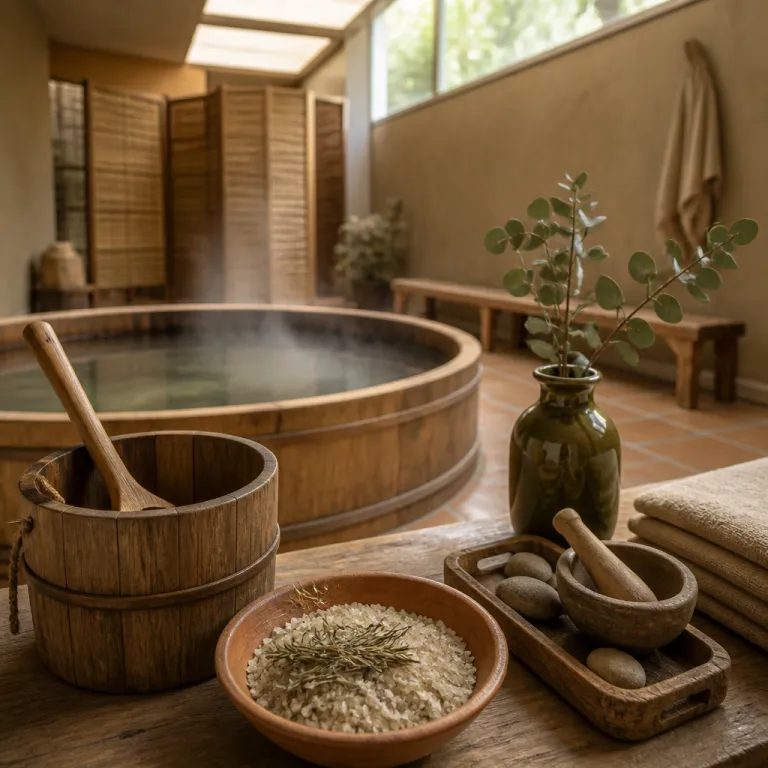
The guided thermal ritual bathhouse spa hotel hospitality trend
Luxury travelers are quietly trading the classic spa menu for something more choreographed. The emerging guided thermal ritual trend in bathhouses, spa hotels and wider hospitality is reshaping how high end hotels, wellness resorts and destination spas think about heat, cold and rest as a single curated experience. Instead of choosing one treatment from a table of options, guests now move through a designed thermal spa circuit where the sequence matters as much as the temperature.
At the heart of this shift is a new understanding of wellness that treats the spa not as a side amenity, but as core hospitality infrastructure. In this model, thermal spas and urban bathhouse concepts build entire spaces around contrast therapy, from dry sauna cabins and aromatic steam rooms to cold plunge pools and quiet rooms for stress management between cycles. For hot tub focused travelers, this guided ritual approach means the most memorable experiences often happen in the water, not at the reception desk.
Standalone bathhouse operators have led the way, and hotels resorts are now catching up. Research from the Global Wellness Institute (GWI) notes that wellness tourism reached around USD 651 billion in 2022 with projected annual growth of 16.6 percent through 2027, and operators report a marked rise in guests preferring structured wellness experiences over one off treatments, with communal rituals becoming a key driver of wellness tourism in the global market. As wellness hotels integrate these rituals into their spa wellness programs, they report higher repeat usage, longer stays and a deeper connection between health focused guests and the property itself.
From 60 minute treatments to 90 minute thermal choreography
The old spa model was simple enough, with guests booking a 60 minute massage or facial and leaving once the treatment ended. The guided thermal ritual bathhouse spa hotel hospitality trend replaces that transactional approach with a 90 minute minimum circuit that blends heat, cold and rest into a single immersive experience. A well designed ritual might start with a dry sauna, move to a warm thermal pool, then shift to a cold plunge before a period of silent recovery on a heated stone table.
What matters here is sequencing and pacing, not just the individual treatments listed on a spa menu. Heat always precedes cold, with at least ten minutes of rest between cycles to protect cardiovascular health and allow the nervous system to reset. This is where contrast therapy becomes more than a wellness buzzword, evolving into a structured protocol that supports stress management, circulation and sleep quality when repeated across several rounds.
For travelers comparing hotels, the key question is no longer which spas wellness property has the longest list of body treatments. Instead, you should ask how the spa wellness team has designed its thermal spa circuit, whether the cold plunge is integrated into a thoughtful flow and how trained hosts guide the group through each experience. As one senior spa director at a European wellness hotel explains, “We stopped selling single treatments and started hosting journeys; once guests understand the rhythm of heat, cold and rest, they rarely want to go back to the old menu model.” For a deeper dive into how protocol driven thermal circuits are replacing ad hoc ice baths in luxury settings, see this analysis of gentle plunges and structured thermal circuits in high end spas.
Standalone bathhouses setting the pace for hotels with hot tubs
Standalone bathhouses have become the laboratory for the guided thermal ritual bathhouse spa hotel hospitality trend. Operators such as Othership, Everwild Spa, Harbor & Voyage, Pure Eco Spa & Boutique and The Saltwater Sauna have built entire concepts around guided sauna sessions, cold plunge rituals and communal wellness experiences. Their focus is not on selling individual treatments, but on hosting groups through shared thermal experiences that feel both social and meditative.
These bathhouse pioneers use tools like aromatherapy, breathwork and somatic practices to deepen each experience, often in phone free and alcohol free environments that prioritize mental health as much as physical recovery. One dataset summary captures the shift clearly with the line, “They focus on immersive, communal experiences rather than individual services.” For solo travelers, joining a small group ritual in a thermal spa can feel less intimidating than navigating a long treatment list alone, especially when a trained host reads the room and adjusts pacing.
The hotel sector is watching closely, as urban bathhouse projects prove that hydrothermal spaces can anchor entire properties and even neighborhoods. A flagship example is the large scale urban soaking complex in Brooklyn, which shows how a dedicated bathhouse can become a destination in its own right and validate the wider wellness tourism market; you can see this dynamic explored in depth in the feature on urban soaking and the rise of large format bathhouses. As more hotels resorts integrate similar circuits around their hot tubs, thermal pools and saunas, the line between standalone bathhouse and hotel spa continues to blur.
How hotels are adapting: from amenity to thermal infrastructure
For luxury hotels with hot tubs, the guided thermal ritual bathhouse spa hotel hospitality trend demands more than a new spa menu. It requires rethinking the entire layout so that hot tubs, thermal pools, saunas and cold plunge zones form a coherent circuit rather than scattered amenities. The most forward looking wellness hotels now treat their spa as infrastructure, designing circulation routes, lighting and acoustics around the rhythm of heat, cold and rest.
This shift has clear implications for the global wellness tourism market, where wellness resorts and destination spas compete on depth of wellness experiences rather than on square metres alone. Properties that invest in structured wellness programs, from guided sauna ceremonies to medical wellness consultations and stress management workshops, tend to see higher guest engagement and stronger loyalty. Some operators report that once a guest has experienced a well led thermal spa ritual, they are far more likely to return for longer stays and to explore additional body treatments or complementary treatments during the same trip.
For hot tub focused travelers using a premium booking website, the practical question is how to read between the lines of hotel descriptions. Look for language that references thermal spas, contrast therapy circuits, wellness retreats and hosted rituals rather than just generic spas wellness claims or a long list of à la carte treatments. A useful deep dive on this shift toward spa as infrastructure, and why the best hotels now build around the tub rather than the lobby, is available in the feature on next generation spa infrastructure built around hot tubs.
Reading the numbers: wellness market growth and what it means for you
Behind the guided thermal ritual bathhouse spa hotel hospitality trend sits a wellness market that has grown into a multi hundred billion usd segment of global travel. The Global Wellness Institute’s 2023 Global Wellness Economy Monitor estimates that wellness tourism alone accounted for roughly USD 651 billion in 2022, with forecasts suggesting it could reach around USD 1.4 trillion by 2027 if current growth rates hold. Since the early rise of standalone bathhouses, industry reports have tracked a double digit percentage increase in such establishments and a clear preference among guests for guided rituals over traditional spa treatments.
For travelers, these numbers matter because they shape which experiences hotels choose to build and promote. When surveys from organizations such as GWI and leading spa associations indicate that a majority of wellness travelers now prioritize structured, hosted experiences, operators respond by investing in thermal spa circuits, contrast therapy zones and communal wellness retreats rather than only private treatment rooms. This in turn creates more choice for you, from medical wellness focused programs with structured body treatments to softer spa wellness offerings that emphasize relaxation, social connection and gentle stress management.
Trend analysis from organizations such as the Global Wellness Institute highlights a move toward “guided rituals, free bathing” as the dominant hydrothermal model, which aligns closely with what bathhouse operators and hotels resorts are now building. For the solo explorer booking a stay, the most useful analysis is personal; ask whether you want a quiet, health oriented circuit, a social group ritual or a mix of both wellness experiences. Then use that clarity to filter hotels, spas and thermal spas that align with your preferred pace, from intense cold plunge sessions to slower, contemplative heat based treatments.
How to choose and use guided thermal rituals on your next stay
Choosing the right guided thermal ritual starts with understanding your own wellness priorities. If stress management and sleep are your main goals, look for wellness programs that combine gentle sauna rounds, warm thermal pools and extended rest periods rather than aggressive cold plunge challenges. Travelers seeking performance recovery or medical wellness support might prefer circuits that integrate more intense contrast therapy, structured breathwork and targeted body treatments within a supervised thermal spa environment.
Once on property, treat the ritual as a full experience rather than a quick treatment before dinner. Arrive early, hydrate well and follow the host’s guidance on timing, especially when moving between hot and cold zones in the sauna, steam room, hot tub and plunge pool areas. Many bathhouse operators recommend at least three full cycles of heat, cold and rest to unlock the circulatory and nervous system benefits that underpin modern spa wellness thinking.
Finally, remember that the guided thermal ritual bathhouse spa hotel hospitality trend is as much about community as it is about individual health. Joining a small group ritual can turn a solo trip into a shared experience, whether you are in a coastal thermal spa, an urban bathhouse or a mountain wellness hotel with outdoor hot tubs under the stars. Research bathhouse offerings in advance, book guided rituals ahead of time and prepare for both hot and cold therapies to make the most of this new era of spas wellness travel.
FAQ
What are guided rituals in bathhouses and hotel spas ?
Guided rituals in bathhouses and hotel spas are structured wellness experiences combining traditional practices with modern techniques. A trained host leads a small group through a sequence of heat, cold and rest, often using tools such as aromatherapy, breathwork and somatic movement. The focus is on the overall experience rather than on a single treatment from a menu.
How do guided rituals differ from traditional spa treatments ?
Traditional spa treatments are usually individual services, such as a massage or facial, booked by duration and performed one to one in a private room. Guided rituals, by contrast, are communal experiences that move guests through a thermal circuit including sauna, hot pools, cold plunge and recovery spaces. As one expert summary notes, “They focus on immersive, communal experiences rather than individual services.”
Are guided thermal rituals suitable for first time visitors ?
Guided thermal rituals are designed to be accessible and beneficial for newcomers, provided you follow the host’s instructions and respect your own limits. First time visitors often find the structure reassuring, because the sequence of heat, cold and rest is explained clearly at each step. If you have cardiovascular or medical concerns, speak with the spa wellness team or a medical wellness professional before joining a more intense contrast therapy circuit.
How can I tell if a hotel really offers a proper thermal circuit ?
When reviewing hotels online, look for detailed descriptions of thermal spas, including sauna types, cold plunge facilities, rest areas and the presence of guided group rituals. Properties that simply list a hot tub and a few treatments without mentioning circuits, hosts or wellness programs are likely still operating on the classic appointment model. Reading guest reviews that mention pacing, sequencing and overall wellness experiences can also help you separate genuine thermal infrastructure from basic spa amenities.
What should I bring and how should I prepare for a guided ritual ?
Most bathhouses and hotel spas provide towels and sometimes robes, but you should bring a swimsuit, a water bottle and any personal items you need for comfort. Avoid heavy meals and alcohol beforehand, hydrate well and arrive early enough to check in without rushing. If you are sensitive to cold or heat, let the host know in advance so they can help you adapt the experience to your needs.