From nice-to-have to non‑negotiable: why sustainable spa standards now drive bookings
When couples search for a hot tub suite today, they are quietly running a mental filter on sustainability before they even picture the view. Growing awareness around climate, water scarcity and wellness means guests now assume that a luxury hotel spa will protect water, energy and the surrounding landscape as carefully as it steams their private tub. For many spa-goers, environmental responsibility is no longer a marketing story but the baseline for any stay that claims to offer holistic, eco-friendly wellness.
Industry data backs up what you probably feel when scrolling through luxury hotels with hot tubs and spa access. A 2023 Spa Industry Association member survey, based on responses from more than 500 North American spa operators, reported that 78% of spa-goers consider eco-friendly practices when choosing a spa, 70% are willing to pay more for sustainable services, and 82% say environmentally responsible brands are more trustworthy; the findings were drawn from anonymised guest feedback and booking data collected over the previous 12 months (see Spa Industry Association, 2023 Member Survey Summary). Those numbers explain why sustainability and green operations now sit beside room size and view in the booking decision, especially for couples who want romance without environmental guilt.
Hotel spas that still treat eco initiatives as optional décor are already losing ground to properties that embed conservation into every soak. Global data from the American Med Spa Association’s 2022 Consumer Report, which combined an online survey of 1,000 regular spa users with operator interviews, indicates that a clear majority of spa consumers now prefer sustainable practices, and millennials strongly favor eco-conscious brands that reduce waste and protect water (American Med Spa Association, 2022 Consumer Report). For hot tub travelers, that translates into choosing hotels and resorts where sustainable luxury is visible in the spa, from water conservation systems to renewable energy powering the outdoor whirlpool.
How to read a spa listing: spotting real eco practices behind the hot tub photos
Scroll any premium booking website for hotels with hot tubs and you will see the same language about eco-friendly stays and wellness escapes. The challenge is separating genuine responses to modern sustainable spa expectations from soft green promises that never reach the mechanical room or the water line. Couples who care about sustainability need to read between the lines of each hotel description and spa menu to understand whether the property is truly eco-conscious.
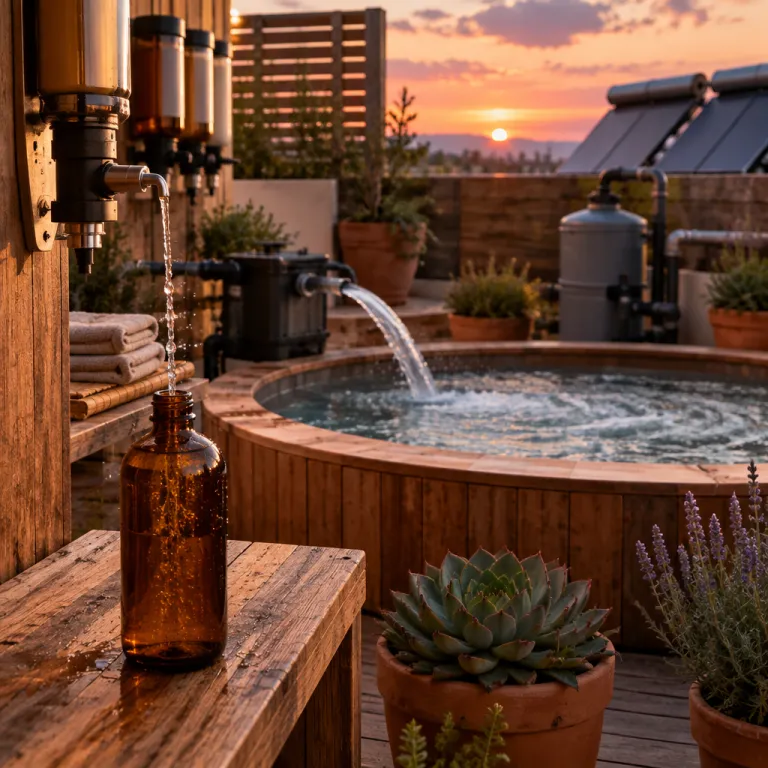
Start with the basics that directly affect a hot tub or spa bath, because these reveal how a property treats water, energy and waste. Look for clear references to water conservation measures such as recirculation systems, low-flow fixtures in spa suites, and technology that reduces water waste in plunge pools and hydrotherapy circuits. When a hotel explains how it manages energy and water use together, for example by using solar panels or other renewable energy to heat outdoor tubs, it usually signals a deeper environmental commitment that goes beyond surface-level claims.
Next, examine how the spa talks about products, food and single-use plastics across its wellness spaces. A serious eco-conscious resort will specify local spa brands, refillable amenities, and a plan to cut food waste from spa cafés and in-room dining, rather than simply claiming to be green. For couples planning a refined soak-focused escape, curated overviews of premium hotels with spa baths and hot tub suites can help you compare guest experience details, from the temperature of the tub to the sustainability story behind the steam, without relying solely on marketing language.
Certifications, audits and the end of casual greenwashing in luxury wellness
Behind the scenes, rising expectations around sustainable hotel spas are being enforced not only by guests but also by financiers, corporate buyers and regulators. Properties without documented sustainability practices are increasingly excluded from preferred vendor programs, green financing tiers and corporate travel contracts, which means that environmental performance now shapes the business model of luxury hotels. For couples booking a romantic hot tub stay, those pressures quietly improve the eco standards behind each soak and make greenwashing harder to sustain.
Serious hotels and resorts now lean on third-party certifications to prove that their spa and hot tub operations meet measurable environmental criteria. Labels such as Green Key, Green Globe and the EU Ecolabel for tourist accommodation require evidence on energy efficiency, water conservation, waste reduction and the use of eco-friendly products across all spa facilities. For example, Green Key’s criteria for hotel spas include documented water-saving fixtures, chemical management plans and staff training, while Green Globe audits annual performance data. When a resort publishes these certifications and explains how they apply to hot tubs, pools and wellness areas, it shows that sustainability is audited rather than simply asserted.
Some luxury resorts go further, using renewable energy and solar technology to power hydrotherapy suites and outdoor tubs in all seasons. One coastal eco-resort in southern Europe, for instance, reported that installing solar thermal panels and high-efficiency pumps for its spa pools cut energy use for water heating by around 40% and reduced annual operating costs by more than €25,000, while also lowering chemical consumption through improved filtration. A property that installs solar panels for pool heating, tracks food waste from its spa restaurant and reports on long-term conservation goals is aligning with the most demanding sustainable luxury standards and providing guests with verifiable environmental benefits.
Designing the sustainable hot tub stay: where romance meets resource conservation
The most compelling response to eco-conscious spa guest expectations is happening at the design stage, long before you slide into the water. Architects and spa consultants now treat each hot tub, plunge pool and thermal suite as a micro system where water, energy and materials must work in harmony with the landscape. For couples, that means the most romantic tubs often sit in properties where conservation is engineered into every valve and view, rather than added as an afterthought.
Look at how leading luxury hotels integrate eco principles into their spa layouts and hot tub terraces. Many new properties use high-efficiency pumps, smart filtration and heat recovery systems that reduce energy and water consumption while keeping the temperature perfectly stable for evening soaks. Others position tubs to capture passive solar warmth, then supplement with solar panels or other renewable energy sources, cutting both emissions and operating costs over the long term while maintaining a consistently comfortable soak.
Material choices also signal whether a resort is serious about environmental performance or simply painting things green. Durable finishes, locally sourced stone and timber, and non-toxic water treatment systems reduce waste and protect both guests and ecosystems around the hotel. For couples seeking elegant escapes with hot tub hotel rooms, curated platforms increasingly highlight properties where sustainable luxury design is as carefully considered as the view from the tub, making it easier to match aesthetic preferences with eco-conscious values.
What eco conscious couples should ask before booking that hot tub suite
For travelers who care about both romance and responsibility, modern sustainable spa expectations translate into a short but pointed set of questions. You do not need to be an engineer to assess sustainability; you simply need to ask how the hotel manages water, energy and waste in the spaces where you plan to soak. The answers will quickly reveal whether a resort treats eco commitments as a checklist or as the backbone of its guest experience and operational culture.
Start with water conservation and water waste, because hot tubs and hydrotherapy circuits are resource intensive by design. Ask whether the spa uses recirculation systems, how often tubs are drained, and what technology reduces overall water use without compromising hygiene or comfort. Clarify whether the property has a plan to minimise chemical discharge into local ecosystems, especially in sensitive coastal or mountain locations where water quality and biodiversity are under pressure.
Then move to energy and materials, which shape both the environmental and sensory quality of your stay. Ask if the hotel uses renewable energy or solar panels for pool and spa heating, whether it tracks food waste from spa dining, and how it eliminates single-use plastics from guest areas. When a resort can answer these questions clearly, and link them to recognised certifications or third-party audits, you know that sustainability is woven into the wellness philosophy rather than added as a late marketing layer.
FAQ
Why are spa-goers demanding sustainability from hotel spas and hot tub resorts ?
Spa-goers are demanding sustainability because environmental awareness has become part of how people define wellness itself. As one expert summary from the Spa Industry Association’s 2023 trend briefing puts it, “Why are spa-goers demanding sustainability? Increased environmental awareness and preference for eco-friendly practices” (Spa Industry Association, 2023 Trend Briefing). For couples, that means choosing hotels and resorts where the spa, hot tubs and wellness areas respect local ecosystems while still delivering a high level of luxury.
How are hotels and resorts responding to eco conscious guest expectations ?
Many hotel spas are redesigning facilities, upgrading equipment and retraining teams to align with sustainable luxury standards. They are adopting eco-friendly products, investing in energy-efficient systems and implementing structured waste management to reduce their environmental footprint. The most advanced hotels and resorts now integrate conservation goals into long-term planning, linking guest experience improvements with measurable reductions in water, energy and material use that can be tracked over several seasons.
What specific sustainability measures should I look for in a spa with hot tubs ?
Focus on visible measures that affect water, energy and materials in the spa and hot tub areas. Look for water conservation systems, efficient filtration, renewable energy or solar heating for pools, and clear policies on reducing single-use plastics and food waste. Certifications such as Green Key or Green Globe, combined with transparent reporting and regular audits, indicate that a property treats sustainability as a core operational priority rather than a temporary marketing theme.
Do sustainable practices make a luxury hot tub stay more expensive for guests ?
Some sustainable technologies require upfront investment, but they often reduce operating costs over the long term through lower energy and water bills. Many couples are willing to pay a modest premium when they see that a hotel’s eco measures are genuine and enhance comfort, such as better air quality, quieter equipment and more natural materials. Over time, as more properties adopt these standards and efficiencies scale, sustainable options are likely to become the norm rather than a higher priced niche.
How can I tell if a hotel is greenwashing its spa and wellness offering ?
Be wary of vague language about being green or eco-friendly without specific details on water, energy and waste practices. Genuine properties name certifications, describe concrete measures such as solar panels or water recirculation systems, and often publish data or third-party audits. If a hotel cannot answer basic questions about its environmental performance in the spa and hot tub areas, it is probably leaning more on marketing than on measurable action.