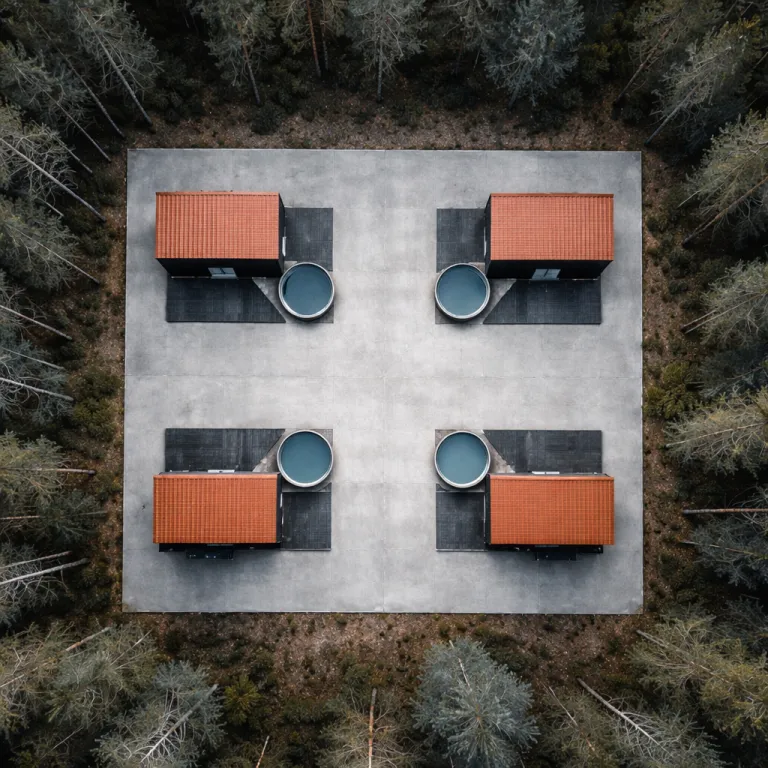
Why a forest cabin hot tub stay in Scotland feels uniquely Nordic
A forest cabin hot tub stay in Scotland with a Nordic soul is not about excess, it is about atmosphere. In the Scottish Highlands, the best cabins and log cabins borrow from Nordic restraint, pairing simple timber architecture with a hot tub that frames woodland, loch or river rather than the car park. When you book a cabin here, you are paying for the ritual of stepping from wood-burning stove warmth into the outdoor air, then sinking into a fired hot tub while the peat-scented breeze moves through the trees.
The Nordic influence shows in the way these cabins handle water, heat and wood, from a wood-fired outdoor bath on a loch-side deck to a river cabin terrace where the tub is aligned precisely with the most stunning views. In both singular cabin and clusters of cabins, the tub is not an afterthought but the centrepiece of the stay, often king-sized in feel even when compact, with deep sides and hot water that holds its temperature for hours. This is where a Scottish forest cabin hot tub escape with Nordic style excels; the design respects the woodland and the national park setting, while still feeling indulgent enough for a couple seeking a premium escape.
Across Scotland, from Dumfries & Galloway to the Loch Lomond & The Trossachs area, you will find cabins, bothies and even the occasional treehouse or hut that lean into this Nordic language of timber, fire and water. Some cabins sleep two in a king-sized bed, others sleep four or more, but the best keep guest numbers low so the lodge river sound and loch silence remain intact. When you choose carefully, your stay becomes less about a big resort and more about a quiet, eco-friendly retreat where the hot tub, the burning stove and the forest do most of the talking.
Scottish Highlands versus Nordic countries for cabin and hot tub culture
Choosing between a forest cabin hot tub stay in the Scottish Highlands and a similar stay in Nordic countries comes down to mood rather than quality. Norway, Sweden and Finland have refined the wood-fired hot tub and outdoor bath culture over generations, while Scotland has adapted it to loch-side landscapes, river valleys and woodland clearings with a distinctly Scottish character. In both regions, the cabin or hut is usually compact, the tub is hot and deep, and the emphasis is on outdoor living even when the temperature drops well below what most travellers consider comfortable.
Nordic cabins often sit beside a lake or river with a sauna, a fired hot tub and sometimes sky-lodge-style glass walls for aurora views, while Scottish cabins lean into rugged hills, Loch Lomond panoramas and the drama of the Scottish Highlands. A Scottish forest cabin hot tub retreat with Nordic touches might place a wood-fired tub on a deck that hovers above a lodge river, with a wood-burning stove inside and a king-sized bed facing the same stunning views. In the Nordics, you are more likely to alternate between a blazing sauna, an outdoor bath, a plunge in a river or loch, then back into the tub, repeating the cycle until the stars appear.
For many couples, the decision is practical; Scotland is easier to reach for short breaks, and a cabin stay here can feel just as elemental as a remote Nordic river cabin. If you want to compare options, use a specialist luxury hot tub booking guide when you plan an elegant way to book a luxury hotel with a hot tub in your room near you, then filter for cabins and lodges rather than large hotels. Either way, focus on properties where the hot tub, whether wood-fired or electric, is positioned for real views and privacy, not simply squeezed beside the parking space.
Wood fired versus electric tubs in a forest setting
For a serious forest cabin hot tub stay in Scotland with Nordic character, the choice between wood-fired and electric tubs is not just technical, it is emotional. A wood-fired hot tub turns the pre-soak into a ritual; you stack the wood, light the burning stove, listen to the crackle and watch steam rise as the water slowly reaches that perfect hot temperature. Electric tubs, by contrast, offer instant gratification and precise controls, but they rarely match the sensory drama of a fired hot tub under a dark Scottish sky.
From an eco-friendly perspective, a well-managed wood-burning system using local wood can be surprisingly low impact, especially in cabins designed with good insulation, efficient stoves and modest water volumes. Many Scottish cabins and bothies now combine a wood-burning stove indoors with a wood-fired outdoor bath or hot tub, reducing reliance on grid power and aligning with national park sustainability goals. Well-known examples include the wood-fired tubs at Eagle Brae near Beauly in the Highlands, the cedar hot tubs at Loch Tay Highland Lodges in Perthshire and the Scandinavian-style barrel tubs at Airhouses in the Scottish Borders, all of which use Nordic-style designs that feel as if they belong in the woodland, not on a hotel roof.
Electric tubs still have a place, particularly in larger sky lodges or north-lodge-style properties where guests expect hotel-like convenience and consistent hot water on demand. If you are booking a forest cabin hot tub stay in Scotland with Nordic spirit, read the listing carefully to see whether the tub is wood-fired, electric or a hybrid system, and check how long it takes to heat. As a rough guide, many wood-fired tubs in Scottish cabins take around two to three hours to reach bathing temperature, while electric spas tend to hold heat continuously. For more urban or hotel-based options, a curated guide to elegant hotel hot tub suites for an indulgent relaxing stay can complement your research into cabins, giving you a sense of how different the forest experience feels when the tub is the architectural focal point rather than a spa add-on.
Privacy, layout and what “secluded” really means for cabin stays
When you book a forest cabin hot tub stay in Scotland with Nordic leanings, the word “secluded” can mean many things. Some cabins stand entirely alone in deep woodland or on a remote loch-side, while others form part of a small cluster of cabins or sky lodges arranged along a lodge river or forest track. The most romantic stays for couples usually involve a single cabin or a pair of cabins, each with its own hot tub, outdoor bath or fired hot tub positioned so you never feel overlooked.
Look closely at site maps and aerial photos; a cabin that appears isolated in one image might sit just a few metres from another hut or treehouse in reality. Forest Holidays at Glentress Forest, for example, offers Silver Birch cabins with hot tubs that sit within a managed woodland, so you gain easy access to trails but less of that alone-in-the-Highlands sensation. By contrast, a one-off river cabin or north-lodge-style retreat near Loch Lomond or in the Loch Lomond & The Trossachs area may offer truly stunning views with no other roofs in sight, though you will trade some services and perhaps Wi-Fi for that solitude.
Privacy also matters if you are seeking a dog-friendly stay, because you will want space for your dog to roam without constant encounters with neighbours. Many cabins and bothies that sleep two or four are dog friendly, but check fencing, proximity to the river and any national park wildlife guidelines before you commit. For couples who value discretion, a forest cabin hot tub hideaway in Scotland, Nordic in design but Scottish in setting, with a king-sized bed, a wood-burning stove and a tub screened by wood slats or trees, will feel far more luxurious than a big resort suite with partial views and shared spa facilities.
Season, weather and how to choose the right Scottish forest cabin
Season shapes a forest cabin hot tub stay in Scotland with Nordic character more than almost any other factor. Winter brings long nights, cold air and the chance to sit in a fired hot tub while snow dusts the woodland and steam curls into the dark, which is arguably when these cabins feel closest to their Nordic cousins. Spring and autumn offer softer light, quieter trails and a better chance of securing a river cabin, treehouse or hut with a hot tub and outdoor bath without booking a year in advance.
There is no single official figure for how many forest cabins with hot tubs exist in Scotland, but regional tourism bodies consistently report high occupancy for popular woodland sites, especially during school holidays and long weekends. VisitScotland’s accommodation insights note that self-catering lodges with private hot tubs in areas such as the Highlands and Perthshire often see peak-season occupancy above 80%, and providers and destination managers advise guests to “book in advance, check accessibility and prepare for varying weather”, which holds especially true in the Scottish Highlands and around Loch Lomond where conditions can shift quickly. A forest cabin hot tub stay with Nordic flair might involve a steep track, a short walk through woodland or a loch-side path, so always confirm parking, lighting and whether your luggage will be transported by the host.
When comparing options, consider whether you prefer big sky and open loch views or the cocoon of dense woodland with only filtered light reaching your hot tub. Some log cabins and bothies sit right on the loch-side with uninterrupted stunning views, while others hide among trees beside a lodge river, trading panorama for intimacy and shelter from the wind. One couple who stayed in a small hut above a Perthshire burn described slipping into the tub at midnight, snowflakes melting on their shoulders while owls called in the dark, and realising they had not checked their phones all day. For couples who also enjoy refined city breaks, it can be rewarding to pair a rural cabin stay with a night or two in elegant hotel rooms with hot tubs for a refined stay, using the contrast to appreciate just how different a true forest soak feels.
Before you confirm a booking, use a simple checklist: verify whether the tub is wood-fired or electric and how long it takes to heat, check how private the deck or terrace really is, look for clear information on parking and access in bad weather, confirm Wi-Fi and mobile coverage if you need to stay connected, and read recent reviews that mention water temperature, cleanliness and how well the cabin matches its photos.
FAQ
What is a Nordic hot tub in the context of Scottish forest cabins ?
A Nordic hot tub in Scotland usually refers to a wood-fired hot tub placed outdoors beside a cabin, river cabin or hut, often made from timber with a simple, unfussy design. In Scandinavian and Scottish lodge marketing, the term typically means “a wood-fired hot tub, often outdoors, providing a natural soaking experience”, and that definition applies directly to many Scottish cabins. You light a burning stove or external heater with local wood, wait for the water to become hot, then soak while surrounded by woodland, loch or national park scenery.
Are Scottish forest cabins with hot tubs suitable for families as well as couples ?
Many Scottish cabins with hot tubs are designed primarily for couples, with one king-sized bed and a compact interior that sleeps two comfortably. Some larger cabins, log cabins and sky lodges sleep four or more and can work for families, but layouts vary widely between providers. Booking platforms and local operators note that many sites cater mainly to couples, so always confirm age policies for the hot tub, outdoor bath and any river or loch access before booking.
Do forest cabins with hot tubs in Scotland usually have Wi Fi ?
Connectivity in Scottish woodland and Highlands locations can be inconsistent, and many hosts deliberately limit technology to preserve the retreat feel. Some cabins, bothies and north-lodge-style properties offer reliable Wi-Fi, while others provide only a basic signal near the main building or none at all. Availability varies by glen and provider, so treat internet access as a variable, not a guarantee, and check the listing or ask the owner directly if a stable connection is important to you.
How far in advance should I book a forest cabin hot tub stay in Scotland ?
With demand for woodland cabins and hot tub lodges growing year on year, popular weekends and holidays can sell out months ahead. For a forest cabin hot tub stay in Scotland with Nordic style, especially in the Scottish Highlands, Loch Lomond or Loch Lomond & The Trossachs areas, aim to book at least three to six months in advance for peak seasons. Shoulder-season midweek stays may be available closer to the date, but the most atmospheric cabins, river cabins and loch-side bothies are often reserved early by repeat guests who return at the same time every year.
Are there eco friendly options for forest cabins with hot tubs in Scotland ?
Yes, a growing number of Scottish cabins and lodges prioritise eco-friendly design, using local wood, efficient wood-burning stoves and carefully managed wood-fired tubs. Some sit within or near a national park and follow strict guidelines on water use, waste and energy, while others offset emissions or support woodland restoration projects. When you research, look for mentions of eco-friendly practices, low guest numbers and sensitive positioning of cabins to protect river, loch and woodland habitats, and consider choosing operators who publish clear sustainability policies for their sites.