Late spring mountain hot tub escapes: why timing matters
Why late spring is the golden window for a mountain hot tub stay
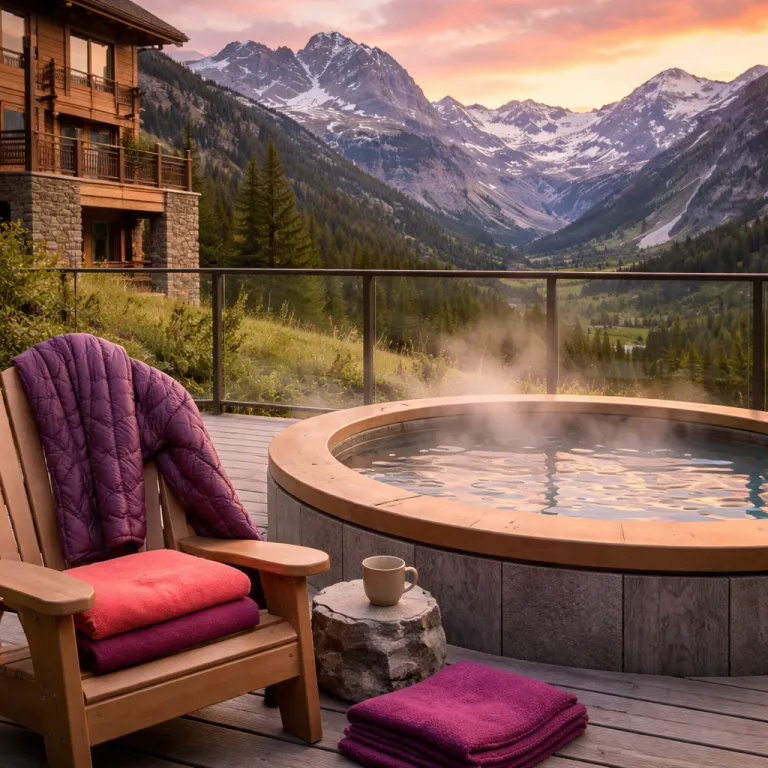
Late spring in the mountains is when a hot tub getaway feels most rewarding. The last snowfields cling to ridgelines while the air stays cold enough that outdoor pools or private tubs at around 38 °C turn every breath into steam. You step from crisp twilight into natural hot water immersion and feel the season tilt under the stars.
For luxury hotel guests, this shoulder season often brings pricing drops of roughly 15 to 30 percent compared with peak winter weekends. Data from several North American and European ski regions shows that late April and May room rates typically fall within this range, especially once lifts close. That shift means you can book a higher category of bedroom suites or a more secluded lodge for a similar budget. Staff to guest ratios usually improve as the ski crowds thin, which means quieter pools, more attentive spa therapists and easier access to private soaking sessions or yoga classes. Many mountain properties also relax minimum stay required rules outside peak weeks, so a two day escape with an included stay package suddenly becomes realistic.
Weather is part of the theatre. One day you might hike a section of the Appalachian Trail or a European ridge path under blue skies, and the next day you watch wet snow fall into the hotel pool while you sit in a hot mineral tub. The contrast between cold air and hot springs or hot mineral waters is what makes a late season soak feel intensely alive. You are not just using a spa; you are negotiating directly with mother nature in real time.

European Alps and Canadian Rockies: who actually stays open for soaking
In the European Alps, the late spring gap is real, and many a resort simply shuts its doors for mud season. When you plan a mountain spa break here, you need to check whether the lodge, the wellness area and the outdoor pools remain open after the ski lifts close. Some award winning properties in Switzerland and Austria keep their hot tub decks, saunas and mineral water pools running precisely because guests crave that quiet, in between moment.
To make research easier, use real world examples as a guide:
- Aqua Dome, Austria – Famous for its futuristic thermal pools and mountain views, this Tyrolean spa hotel typically operates year round, including late spring, with outdoor hot pools and saunas open even after ski season.
- Badrutt’s Palace, St. Moritz – A classic Swiss luxury hotel where the spa, indoor pool and outdoor hot tubs often stay available into shoulder season, even when the main winter sports programme winds down.
Look for hotels that advertise year round wellness activities rather than only ski packages, since these are the places where a day pass for the spa might be available even when a full stay required policy is relaxed. In the Canadian Rockies, by contrast, several hot springs resorts near Banff and Jasper stay open while trails gradually emerge from snow, so you can pair a morning snowshoe with an afternoon in hot springs pools. Late spring also means better availability for family friendly bedroom suites, more space in the sauna and fewer people in the hotel pool, which all elevate the sense of calm.
For a benchmark of how a mountain property can be built entirely around the soak, consider the way some Big Bear Lake rentals in California design expansive hot tub decks and water immersion zones as the focal point of the stay. That same design led thinking is now influencing European and Canadian hotels that want to make the hot tub the star rather than an afterthought. When you book, ask directly whether the outdoor hot tub, the spa pools and any natural hot spring access remain fully operational during your exact spring dates, and whether any seasonal maintenance closures apply.
Onsen culture and desert springs: different takes on the spring soak
Japanese mountain onsen towns treat late spring as a subtle, almost meditative season, and that changes the feel of a hot spring hotel stay entirely. Snowmelt feeds the rivers while cherry blossoms fade on the valley floor, and you move between indoor and outdoor hot spring baths that channel mineral waters straight from the earth. Here the focus is less on a flashy resort pool and more on quiet water immersion rituals, slow food and drink pairings and a deep respect for the minerals themselves.
In an onsen ryokan, hotel guests usually follow a rhythm of evening yoga or stretching, a long soak in natural hot mineral water and then a multi course dinner where seasonal ingredients echo the landscape outside. Families often travel together, yet the atmosphere still feels more contemplative than typical family friendly hotels with waterslides and loud activities. You will enjoy the contrast between cool mountain air and the hot springs while listening to nothing more than wind in the cedars.
Desert Hot Springs in California offers a different but instructive case study for hot springs resorts that stay open year round. Small adults only hideaways with a dozen or so rooms, mineral water pools and private hot tubs fed by natural hot mineral waters show how a compact hotel can build its entire identity around wellness. Their guidance to guests is usually simple and telling: book in advance for spa treatments, bring swimwear suitable for mineral pools and confirm spa availability and opening hours before you travel.
How to choose and pack for a late spring mountain hot tub escape
Choosing the right property for a late spring soak focused trip starts with clarity about how you want to relax. If you care most about silence and stargazing, prioritise a lodge with a limited number of bedroom suites, strict caps on day pass visitors and hot tubs positioned away from the main pool and bar. If you prefer a livelier scene with more activities, look for a springs resort that combines yoga sessions, guided hikes and family friendly programming with multiple pools and a generous food and drink offering.
For gear, think in layers rather than outfits, because a single day can swing from warm sunshine to sleet at altitude. Pack a light down jacket for the walk between your hotel room and the hot tub, quick drying swimwear, slip resistant sandals and a dry bag for phones so you can move between sauna, spa pool and outdoor deck without fuss. A compact backpack is useful for carrying water, snacks and an extra base layer on any hike, whether you are tackling a short section of the Appalachian Trail or a local ridge path above your resort.
Use this quick checklist when planning your mountain hot tub break:
- Confirm spring opening dates for pools, saunas and outdoor tubs.
- Ask whether spa access is included or sold as a timed session.
- Check if any minimum stay required rules apply on your dates.
- Pack layered clothing, non slip sandals and a spare swimsuit.
- Bring a reusable water bottle and a small dry bag for valuables.
One more insider tip: treat your soak as a wellness ritual, not just a photo opportunity. Alternate 10 to 15 minutes in hot water with a short cool down in the mountain air, drink plenty of mineral water and keep alcohol for after your final tub session of the day. If you want more inspiration for how luxury properties around the world are elevating the soak, explore our guide to luxury resorts with hot tubs in Bali for an elegant escape for discerning travellers, then apply the same critical eye to any mountain hotel you plan to book.
FAQ
Are private hot tubs and mineral pools common in luxury mountain hotels?
At the higher end of the market, many mountain hotels now offer private hot tubs on terraces or in spa level bedroom suites, alongside shared mineral pools or heated outdoor pools. Properties inspired by hot springs resorts and onsen culture tend to prioritise this kind of water immersion as a core part of the wellness experience. When you book, always confirm whether the hot tub is genuinely private and whether mineral waters or standard heated pool systems are used.
Do I need to book spa access in advance for a spring stay?
For a late spring mountain spa holiday, advance reservations are increasingly important because many spas limit numbers to preserve a calm atmosphere. Some hotels allow overnight guests unlimited access to pools, sauna and hot tubs during an included stay, while others sell a limited day pass for non residents. Checking spa availability before you confirm your room ensures you will enjoy the full wellness offering once you arrive.
What makes late spring better than winter for hot tub travel?
Late spring combines cooler air with longer daylight hours and fewer crowds, which changes the entire rhythm of a soak focused trip. You can spend the day hiking, cycling or joining yoga activities without deep snow, then return to a hot spring pool or hot mineral tub when the temperature drops. Shoulder season also tends to bring better value, quieter facilities and more attentive service in both resorts and smaller lodges.
Is a family friendly hot springs resort suitable for solo travellers?
Many family friendly hot springs resorts now design their layouts so that quiet spa zones and adult only pools sit apart from the main family pool and activities. As a solo traveller, you can enjoy the energy of a mixed crowd while still retreating to calmer corners for focused wellness time. When researching, look for clear zoning of spaces, stated quiet hours and details on whether any stay required rules apply to spa access.
How can I tell if a hotel’s hot tub setup is truly high quality?
A serious hot tub hotel will publish water temperature ranges, cleaning schedules and details about mineral water sources or filtration systems. Photos should show tubs positioned for views rather than squeezed beside service areas, and reviews from previous guests often mention whether the hot tubs feel like a highlight or an afterthought. If information is vague, ask directly about water immersion practices, maintenance and whether the spa has any award winning recognition for its design or service.