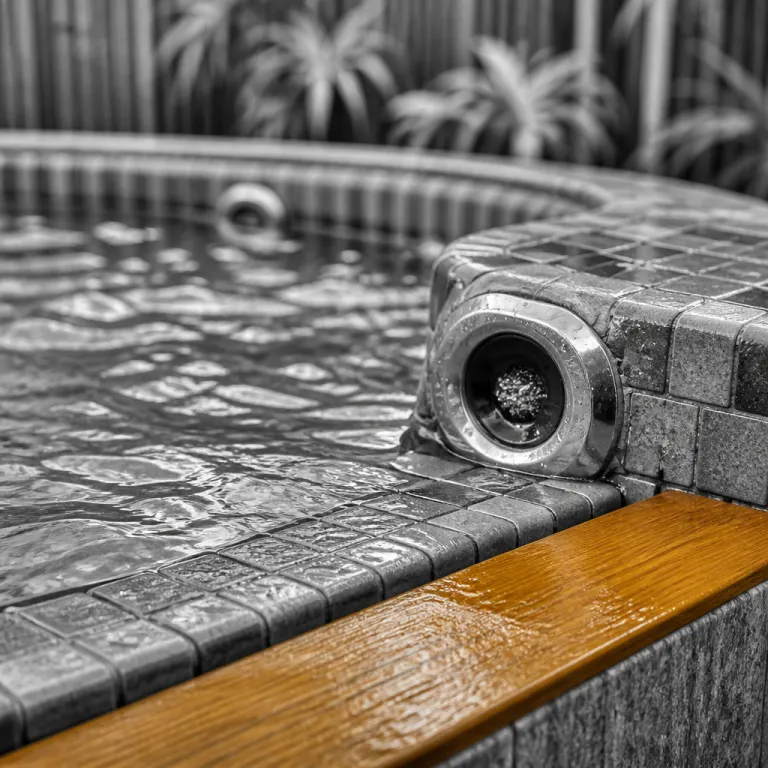
Why Southeast Asia is the best value hot tub region on earth
Southeast Asia is where a private hot tub and a view of the river stop being a once in a lifetime splurge and become a realistic part of your travel budget. Across the region, a carefully chosen hot tub hotel in Thailand, Vietnam or the Philippines can cost 50 to 80 percent less than a comparable European spa property, yet the pool design, service rituals and landscapes often feel far more immersive. For solo explorers who measure a city break or island escape by the quality of the soak rather than the thread count, this corner of Asia is one of the most compelling answers to the search for a Southeast Asia hot tub getaway that combines Thailand, Vietnam and the Philippines in a single, good value itinerary.
Price gaps are stark when you compare average nightly rates in real places across Asia with European spa towns at the same level of comfort and room size. In Subic in the Philippines, you can find plenty of hot tub friendly hotels around 30 USD per night, while a similar hot tub room in a mid range European city can easily run four times that, and Dong Hoi in Vietnam averages around 51 USD for properties with access to a swimming pool or riverside whirlpool. These figures draw on 2024 listings from major booking platforms such as Booking.com and Agoda, using rolling 30 day median prices for standard double rooms with pool or hot tub access, checked on sample dates in March, June and October 2024. Ko Pha Ngan in Thailand, where many small hotels now offer plunge pools or semi open air tubs, sits near 67 USD per night, which still undercuts many of the cheapest destinations in southern Europe that lack any kind of private spa feature.
Travel patterns also work in your favor because the region is set up for flexible, year round arrivals and long stays. Airlines feed Bangkok, Hồ Chí Minh City and Manila with dense schedules, so you can time your arrival to hit shoulder seasons when hotels quietly drop rates but keep the pool and hot tub temperatures perfect for evening soaks. Booking platforms and direct hotel websites now make it simple to filter for hot tub rooms, but the real value comes when you step beyond the generic pool icon and start asking precise questions about water temperature, heating systems and whether that promised hot tub is genuinely hot or just a tepid plunge on a deck. Recent guest reviews on large online travel agencies often spell this out clearly, with comments such as “water was properly hot every evening, around 39°C” or “jets worked but the pool was only lukewarm,” which can help you separate marketing from reality.
Thailand: Chiang Mai tubs, island pools and Bangkok city soaks
Thailand is the country where the idea of a Southeast Asian hot tub hotel on a Thailand–Vietnam–Philippines route stops being a search term and becomes a lived experience in your room every night. In Chiang Mai, small design forward hotels on the edge of the old city offer private courtyard tubs or compact plunge pools from around 60 USD per night, which means you can stay southeast of the crowded center yet walk into town by day and retreat to your own steaming water by evening. Many of these places hide their best tubs behind simple façades, so you need to read between the lines of travel writing and guest photos rather than trusting a single pool shot.
On the islands, the equation shifts from temple views to horizon lines, and the best value sits just behind the front row of sand. On Koh Samui and Phuket, one or two rows back from the beach, you will find plenty of villas and small hotels where a heated plunge pool or compact infinity edge tub looks over tropical gardens instead of the main swimming pool, and rates often start around 150 USD per night for solo travelers who are willing to trade a direct beach frontage for privacy. This is where the concept of top Southeast Asian value really shows, because the same style of villa in the Mediterranean would usually sit in a far higher price band, especially once you factor in the cost of a similar room with a private pool.
Bangkok adds a different kind of hot tub theatre, with high rise hotels turning their pools and spa decks into elevated city stages. A well chosen grand hotel along the river will often combine a long lap pool with a cluster of hot tubs that face the skyline, and some properties now offer hot tub suites where you can watch the city lights from your own tub while happy hour cocktails arrive on a tray. Recent reviews on major booking sites frequently mention details such as “sunset from the rooftop jacuzzi was the highlight of the trip” or “spa floor whirlpool was quiet even at peak time,” which can help solo travelers choose between otherwise similar city hotels. If you travel alone and want to understand how the same hotel hot tub can deliver three different stays for couples, families and solo guests, it is worth reading this guide on how one hot tub serves different types of travelers before you book.
Vietnam: riverside tubs, mountain steam and coastal pool suites
Vietnam is where a multi country Southeast Asia hot tub itinerary that includes Thailand and the Philippines gains a river and a mountain backdrop, often in the same trip. In Hội An and Đà Nẵng, coastal resorts and riverside hotels now compete to offer the best mix of swimming pool access, private plunge tubs and spa circuits, so a solo traveler can spend the day exploring the UNESCO heritage streets and the night soaking in a tub that looks over lantern lit water. Some of the most atmospheric stays sit along the Thu Bồn river, where small hotels use tropical gardens and low lighting to turn compact hot tubs into quiet sanctuaries rather than loud pool bars.
Head north and the mood changes with the altitude, especially in Sapa where mountain lodges have learned that an outdoor hot tub is the most persuasive amenity after a cold day on the trails. Here, the most rewarding hotels place cedar or stone tubs on decks that look across terraced valleys, and the best ones keep the water genuinely hot rather than lukewarm, so the steam rises as the last light fades and the village sounds drift up from below. These lodges rarely call themselves luxury, yet for a solo explorer who values heat, silence and a view, they often feel like the top Southeast Asian experiences in the country.
In Hồ Chí Minh City, often still called Sài Gòn or Chi Minh City in older travel writing, hot tub culture hides inside high rise hotels and compact spa floors. A few central properties offer star hotel suites with deep soaking tubs by the window, and some even run a discreet happy hour on the spa level, where you can move between a warm pool, a hot whirlpool and a cold plunge before heading out into the city night. If you want a structured way to compare these experiences with Japanese soaking culture, this primer on onsen etiquette and expectations offers useful context for how temperature, silence and ritual shape a truly restorative soak.
Philippines: volcanic heat, island springs and eco friendly tubs
The Philippines brings geothermal drama to the wider Southeast Asian hot tub circuit that links Thailand, Vietnam and neighboring countries, especially for travelers who like their pools fed by real volcanic heat. In Coron and El Nido, eco resorts tap into natural hot springs or warm groundwater, channelling it into stone pools that sit just above the tide line, so you can move from saltwater to mineral rich heat in a few steps. These places often keep room counts low and lighting subtle, which means that even at full occupancy you can find plenty of quiet corners for a solo soak under the stars.
Tagaytay, perched above Taal Lake, offers a different kind of volcanic intimacy, with hillside hotels using the cooler air to justify genuinely hot outdoor tubs. Here, a well designed property will pair a small infinity pool with one or two elevated hot tubs, so you can swim a few lengths before sinking into hotter water as the mist rises from the lake. For travelers used to European spa towns, the combination of geothermal heat, tropical gardens and relatively low nightly rates can feel like one of the cheapest destinations in the global hot tub world, especially once you factor in the cost of food and local transport.
Across the archipelago, the key is to read past the word pool and ask whether the property offers a true hot tub or simply a warmish swimming pool in the sun. Many island hotels rely on ambient heat rather than dedicated systems, which can leave the water tepid on cloudy days, so you should always ask about heating technology, target temperatures and whether the tubs are shared or attached to your room. For solo travelers who want a more romantic framing of these experiences for a future couple’s trip, this guide to luxury hot tub hotel rooms for intimate escapes offers a useful benchmark for what a genuinely well designed tub should feel like.
How to book smart: temperatures, direct deals and visa logistics
Securing a genuine value focused hot tub stay in Southeast Asia is less about chasing the lowest price and more about asking the right questions before you commit. In tropical climates, many hotels rely on the sun to warm their pools, so you need to confirm whether the hot tub is heated mechanically, what temperature they aim for and whether that applies all day or only during peak evening hours. A quick email or WhatsApp message to the hotel, asking specifically about degrees Celsius, heating systems and whether the tub is private to your room, often reveals more than any glossy photo gallery.
Booking strategy matters just as much as the hardware, especially in Southeast Asia where rate structures are more flexible than in many western cities. Direct hotel reservations can be 20 to 30 percent cheaper than large online travel agencies, particularly for longer stays or for room types with private pools, and many properties will quietly upgrade solo travelers into better hot tub rooms if occupancy allows. This range aligns with discount patterns reported in 2023–2024 industry summaries from major OTAs, which note that hotels frequently reserve their best deals for direct channels. At the same time, platforms such as Airbnb, Kayak and Expedia remain useful for initial research, and one verified answer from the region states clearly that “Are hot tub stays in Southeast Asia cheaper than in Europe? Yes, they are generally more affordable.”
To keep the process simple, treat your booking as a short checklist: compare at least three properties on a major platform for your dates, note the average nightly rate for rooms with hot tub or pool access, then contact your preferred hotel directly to ask about heating, privacy and upgrades. A concise message might read: “Hello, I’m planning a stay from [dates] and I’m interested in your room with private hot tub. Could you confirm the typical water temperature in °C, whether the tub is heated mechanically or by ambient sun, and if it is fully private to the room? Also, do you offer any direct booking benefits for solo travelers staying [number] nights?” Keeping this template handy helps you secure accurate answers and better value without adding much admin to your trip planning.
Reading the fine print: separating real hot tubs from marketing fiction
The biggest risk in the hunt for a good value hot tub hotel in Southeast Asia is not overpaying, but arriving to find that your promised hot tub is a shallow, unheated pool with a few jets. To avoid that, you need to read listings with the same care that a seasoned travel writing professional brings to a hotel review, paying attention to water depth, materials, placement and whether the tub appears in daylight and night photos. If every image shows the pool but never the tub, or if the tub is always empty, assume you need more information before you book.
Look for clues in the language that hotels use when they describe their rooms and shared spaces, especially in cities such as Bangkok, Hồ Chí Minh City and Luang Prabang where competition is intense. A property that talks about specific temperatures, timed heating cycles and the relationship between the swimming pool and the hot tub is usually more serious about the experience than one that simply lists “jacuzzi” among many amenities, and the best hotels will often mention how many guests each tub is designed to hold. In heritage destinations such as Siem Reap, where you might split your day between Angkor Wat and a shaded pool, the most rewarding stays are often in small hotels that frame their tubs with tropical gardens rather than loud bars, turning them into quiet recovery zones after long hours among UNESCO heritage sites.
Writers such as Tim Leffel, a long standing author on value focused travel, have shown how Southeast Asia consistently ranks among the top regions for upscale stays on a mid range budget. His work on the world’s cheapest destinations, updated regularly through the early 2020s, often highlights how a careful mix of city nights, island days and river towns can deliver a level of comfort that would feel extravagant elsewhere, especially when you prioritize a good room and a reliable hot tub over flashy lobbies. When you apply that lens to your own trip, you start to see how a modest looking hotel can sometimes offer the best soak in the city, while a famous grand hotel might deliver a beautiful pool but a disappointing, lukewarm tub.
Designing a solo hot tub itinerary across Thailand, Vietnam and the Philippines
For a solo explorer, the most satisfying route through Southeast Asia’s hot tub friendly hotels usually weaves together city energy, quiet river towns and at least one island or mountain stay. You might start in Bangkok with two or three nights in a central hotel that offers a skyline pool and a small hot tub, using your days to explore the city and your evenings to soak as the lights come on along the river. From there, a short flight can take you to Chiang Mai, Đà Nẵng or Tagaytay, where the pace slows and the tubs often move outdoors into gardens or onto decks.
Next, consider adding a heritage stop such as Luang Prabang or Siem Reap, even if your main focus is Thailand, Vietnam and the Philippines, because these places show how hot tubs can complement cultural days. In Luang Prabang, small hotels along the river often pair simple rooms with access to a shared pool and a hot tub framed by frangipani trees, while in Siem Reap the best stays balance proximity to Angkor Wat with quiet courtyards and shaded tubs. After long days among temples and UNESCO heritage ruins, the contrast between stone carvings and warm water becomes part of the memory, and the relatively low nightly rates keep your overall budget intact.
End your route with a few slow days on an island or in the mountains, where the hot tub becomes the main event rather than a side amenity. In Coron, El Nido or Sapa, choose hotels that place their tubs where the view does the work, whether that means limestone cliffs, rice terraces or open sea, and be willing to pay a little more per night for a room that lets you step straight from bed to hot water. By the time you fly home, you will have built a personal map of Southeast Asia where each city, river town and island is linked not just by flights and roads, but by the memory of the pools and tubs where you ended each day.
Key figures for value hot tub stays in Southeast Asia
- Average nightly prices for hot tub friendly stays in Subic in the Philippines hover around 30 USD, which is a fraction of what comparable European spa hotels typically charge for rooms with access to heated pools. This estimate reflects 2024 median rates on major online travel agencies for standard double rooms with pool or whirlpool access.
- In Dong Hoi in Vietnam, mid range hotels with pools and occasional hot tub access average about 51 USD per night, illustrating how riverside cities can deliver strong value for solo travelers focused on wellness amenities. These figures are drawn from publicly visible price ranges on large booking platforms during the 2023–2024 high and shoulder seasons.
- On Ko Pha Ngan in Thailand, where many hotels now feature plunge pools or semi private tubs, the average nightly rate is roughly 67 USD, still significantly below many Mediterranean islands with similar sea views but fewer private soaking options.
- Across Thailand, Vietnam and the Philippines, hot tub stays are generally more affordable than in Europe, a point supported by regional booking data and by the statement that “Are hot tub stays in Southeast Asia cheaper than in Europe? Yes, they are generally more affordable.” This reflects both lower room rates and reduced daily costs for food and transport.
- Direct bookings with hotels in Southeast Asia can often be 20 to 30 percent cheaper than large online travel agencies, especially for longer stays or higher category rooms that include private pools or hot tubs. This range aligns with discount levels mentioned in 2023–2024 hospitality industry briefings and hotel revenue management reports.
| Destination | Sample dates (2024) | Room type filter | Observed median range (USD) |
|---|---|---|---|
| Subic, Philippines | Mid March, mid June, mid October | Standard double, pool / hot tub access | 28–35 per night |
| Dong Hoi, Vietnam | Early April, late July, early November | Riverside hotels with pool or whirlpool | 48–55 per night |
| Ko Pha Ngan, Thailand | Late February, early May, late September | Resorts with private plunge pool or tub | 62–72 per night |
FAQ about value hot tub stays in Southeast Asia
Are hot tub stays in Southeast Asia really cheaper than in Europe ?
Yes, hot tub stays in Southeast Asia are generally cheaper than in Europe, especially in Thailand, Vietnam and the Philippines where room rates and daily costs are lower. Average prices in cities such as Subic, Dong Hoi and Ko Pha Ngan sit well below comparable European spa towns, even when you factor in private tubs or pool suites. Long haul flights add an upfront cost, but once you arrive, nightly rates and on the ground expenses usually tilt the overall budget in your favor.
Which countries offer the best value for hot tub hotels in the region ?
Thailand, Vietnam and the Philippines consistently offer the best balance of price, setting and hot tub quality for most travelers. Thailand excels in city and island stays, Vietnam combines riverside and mountain tubs, and the Philippines adds volcanic heat and island springs, so together they cover a wide range of preferences. Your personal best value will depend on whether you prioritize city energy, cultural days or remote landscapes, but all three countries outperform many European destinations on cost.
How can I find affordable hot tub accommodations without sacrificing quality ?
Start by using platforms such as Airbnb, Kayak and Expedia to map prices and filter for pools and hot tubs, then contact promising hotels directly to ask detailed questions about heating, temperatures and privacy. Direct reservations often unlock better rates or upgrades, especially for longer stays or solo travelers willing to be flexible with dates. Always read recent guest reviews that mention the pool or tub specifically, because they reveal whether the water is genuinely hot and whether the photos match reality.
When is the best time of year to book a hot tub stay in Southeast Asia ?
Hot tub stays are available year round, but shoulder seasons around the main dry months usually offer the best mix of price and weather. Booking outside major holidays often brings lower rates and quieter pools, while still delivering warm evenings that make outdoor tubs comfortable. Because many properties adjust prices dynamically, it pays to monitor rates over several days and to book in advance once you see a favorable pattern.
Is it better to stay in one place or move between several hot tub hotels ?
For most solo travelers, combining two or three different stays delivers a richer experience than remaining in a single hotel. A typical route might include a city hotel with a skyline pool, a river town property with a quiet courtyard tub and an island or mountain lodge where the hot tub faces open landscapes. Moving between places adds some logistics, but the variety of pools, tubs and views usually justifies the extra planning.