Reading listings like an insider: the real how to evaluate hotel hot tub quality before booking guide
Scroll past the glossy hero image and start with the words. A serious how to evaluate hotel hot tub quality before booking guide begins in the room description, where you should see precise terms such as “in room hot tub”, “jetted tub beside the bed”, or “private terrace spa” rather than vague “spa like bathroom” language. Hotels mislabel amenities surprisingly often, so you need to read like a person who already knows that some properties in independent audits quietly blur the line between a deep soaking tub and a true hot tub with dedicated jets and continuous filtration.
Look for details that speak to water care and tub maintenance, not just romance. When a listing mentions daily spa water testing, regular cleaning of spa filters, or specific chemicals such as chlorine or bromine, it signals a team that treats the hot tub as more than a prop and understands that clean hot water is a core wellness feature. Phrases like “private hot tubs filled and drained between guests” or “outdoor hot tub with dedicated filtration system” are worth more than any candlelit photo because they show how the tub will actually be run. As a benchmark, public health guidance such as the U.S. CDC’s Model Aquatic Health Code recommends checking spa water chemistry multiple times per day and maintaining documented logs, so language that hints at that level of care is reassuring even if small private tubs are managed on a slightly lighter schedule.
Pay attention to capacity language, which quietly reveals how your soak will feel. A room marketed for two people but equipped with a four person hot tub usually means generous space, while a “shared spa for up to twelve guests” suggests crowded water and overworked filters. For couples, the best hot tub setups are often described as “two person hot tub on balcony” or “4 person capacity tub for two guests”, which balances intimacy with enough tub water volume for proper sanitiser levels and stable total alkalinity. If the listing is silent on capacity, scan guest photos for scale clues such as how many people are actually sitting in the spa at once.
Interpreting photos: what the camera hides about spa water and design
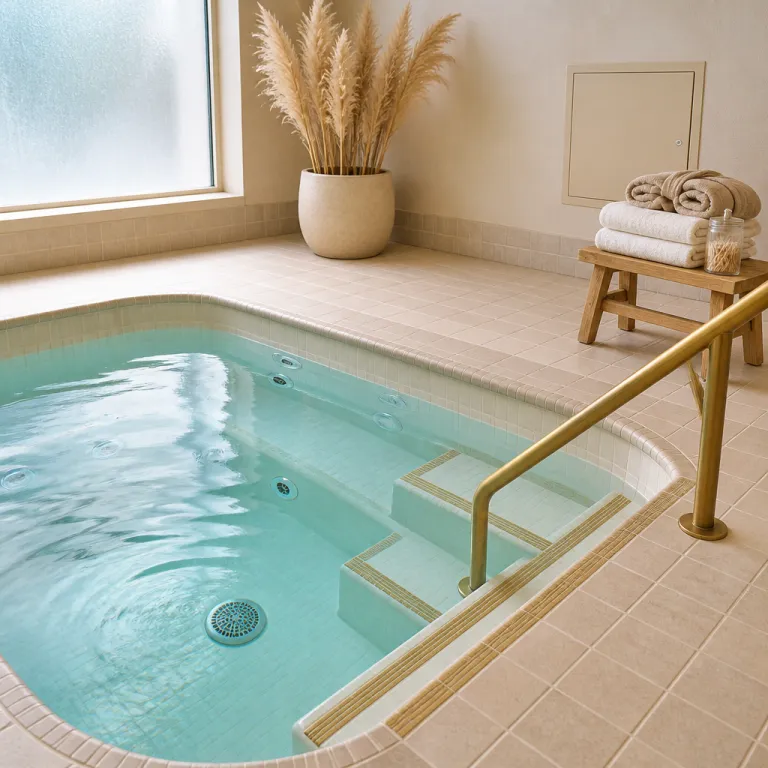
Listing photos are curated to flatter, not to educate, so you need to read them like a buying guide for experiences rather than décor. Start with proportion; compare the size of the tub to nearby furniture, because a so called private spa squeezed beside a desk usually means a shallow tub with weak jets and restless water. When you are serious about how to evaluate hotel hot tub quality before booking guide standards, you want images where the hot tub looks deep enough for shoulders to disappear and the rim sits at a comfortable height for a seated person.
Next, study the water itself and the materials around it. Clear spa water with a faint shimmer usually indicates balanced chemicals and good water care, while cloudy tub water or heavy reflections that hide the surface can hint at rushed maintenance. If you can see steam rising in an outdoor shot, that is a quiet confirmation that the hot tub is genuinely hot, not a lukewarm pool, and that the hotel is spending real energy to keep temperature consistent rather than cutting corners on energy efficiency. A close up photo that shows the control panel lit and in use can also suggest the spa is actively maintained rather than just staged.
Material choices tell you how the tub will age and feel under your skin. Stone or high quality composite shells hold heat better than thin fibreglass tubs, and they usually pair with more serious spa filters and pumps that keep the water clean. When you are choosing refined escapes or hotels near you with a hot tub for an exceptional stay, look for images where the tub is integrated into the terrace or bathroom architecture, not just dropped beside a swim spa or main pool, because that integration often reflects better plumbing, quieter pumps, and more thoughtful tub maintenance. A well built surround with non slip surfaces and discreet access panels is another quiet sign that the spa was designed for regular professional servicing.
Mining reviews: phrases that reveal real hot tub performance
Guest reviews are where the polished narrative breaks, which is why any honest how to evaluate hotel hot tub quality before booking guide treats them as essential reading. Filter for the words “hot tub”, “spa”, “tub”, and “jets”, then read the full comments rather than skimming star ratings. You are looking for soak level detail from a person who clearly used the tub, not just admired it from the bed.
Certain phrases are green lights for hot tubs that justify a premium rate. Comments like “water was actually hot all evening”, “jets strong but quiet”, or “tub was spotless with no chlorine smell” suggest balanced chemicals, correct chlorine bromine levels, and a team that understands sanitiser dosing. When multiple guests praise “private outdoor hot tub with clean hot water and no crowds”, you can infer that the hotel limits how many people share each spa and that tub water turnover and maintenance schedules are taken seriously. A review that notes “staff checked the spa water while we were there” is another subtle sign that testing and adjustment are part of the daily routine.
Red flags are just as consistent across properties and regions. Watch for “lukewarm”, “noisy pump”, “strong chlorine”, “dirty filters”, or “tub out of order for our stay”, which all point to poor tub buying decisions or underpowered systems that struggle with energy demands. For couples comparing how the same hotel hot tub delivers different stays for families versus solo travelers, reviews that mention “kids splashing in the spa all evening” or “swim spa crowded” matter, because they show whether your romantic soak will feel like a private retreat or a public pool with tired spas and overworked chemicals. One couple, for example, booked a “romantic whirlpool suite” only to find from later reviews that the spa sat beside the main pool and doubled as a children’s play area, completely changing the mood of their stay.
Questions to ask the hotel: from temperature to tub maintenance schedule
Once a property makes your shortlist, move from research to verification, because a credible how to evaluate hotel hot tub quality before booking guide always includes direct contact. Hotels themselves advise this approach; as one standard answer puts it, “Always confirm hot tub availability directly with the hotel.” Another adds, “Look for 'in-room hot tub', 'whirlpool suite', or 'jetted tub' in descriptions.”
When you call or email, be specific about how the hot tub will be used during your stay. Ask for the standard water temperature range in degrees Celsius, whether the tub is private to your room or shared, and how many guests typically have access to that particular spa. Clarify the maintenance routine by asking how often the spa water is tested, which sanitiser system they use, and whether they rely on chlorine, bromine, or a combined chlorine bromine approach to keep the tub water clean. A simple message such as, “We’re planning to use the hot tub each evening; can you confirm the usual temperature range and how often the water is checked and refreshed?” makes it easy for staff to give a clear answer.
For design focused travelers, a few extra questions separate a pleasant soak from a memorable ritual. Ask whether the tub is indoor or outdoor, whether it is heated by gas, electric, or a heat pump, and whether any energy saving mode limits temperature at night, because aggressive energy efficiency settings can cool the water just when you want it hottest. If you care about wellness, ask whether the hotel monitors total alkalinity and pH, how often spa filters are replaced, and whether the tub will be available 24 hours, so you can plan a late night soak without competing with day time spa traffic. You can also ask how frequently smaller private tubs are drained between guests, which gives you a concrete sense of their hygiene standards and aligns with manufacturer guidance that heavily used spas often need complete water replacement every one to three months, with more frequent draining for compact, high turnover tubs.
Design, jets and chemistry: how serious hotels build a great soak
Beyond marketing language, the physical design of the hot tub reveals how much thought a hotel has given to your experience. A tub that is genuinely sized for two, with a four person capacity shell and sculpted seats, will feel more luxurious than an oversized party spa that leaves a couple floating apart in too much water. The best hot setups for romantic stays usually combine a compact footprint with deep seating, ergonomic headrests, and jets positioned to hit shoulders, lower back, and calves rather than spraying water randomly.
Jet quality matters more than jet quantity, especially in luxury spas that promise hydrotherapy rather than simple bubbles. Look for descriptions of targeted jets, adjustable pressure, or zones designed for specific muscle groups, which echo the trend toward precise engineering seen in high end brands and hot spring style resorts. When a hotel mentions separate pumps for massage jets and circulation, or highlights quiet operation, it signals that the tub will deliver both strong massage and calm ambience without a constant mechanical hum.
Behind the scenes, chemistry and energy choices shape how the water feels on your skin and how long you can comfortably soak. Properties that talk openly about water care, from balanced total alkalinity to gentle sanitiser systems, usually run cleaner tubs with fewer harsh chemicals and less eye sting from chlorine. When you read about regular tub maintenance, efficient heating systems, and insulated shells that improve energy efficiency, you can trust that the spa water will stay consistently hot, clean, and inviting throughout your stay, whether you are in an elegant hotel room with a hot tub for a refined stay or a hillside suite with a private outdoor plunge.
How this how to evaluate hotel hot tub quality before booking guide shapes your next stay
Using these checks turns a pretty picture into a reliable buying hot checklist. You move from passive scrolling to active tub buying, weighing design, maintenance, and energy use with the same care you give to location or view. That is how you ensure the hot tub will match the promise of the photos and deliver the quiet, perfectly hot soak you are actually paying for.
FAQ
How can I ensure my hotel room has a private hot tub ?
To ensure your room includes a private hot tub, verify that the exact room category you are booking explicitly lists “in room hot tub”, “whirlpool suite”, or “jetted tub” in the description, then cross check with guest photos and finally contact the hotel directly to confirm. This three step approach reduces the risk created by vague “spa like bathroom” wording. It also aligns with hotel industry advice that guests should always confirm hot tub availability directly with the property before hot payment is made.
What temperature should a good hotel hot tub run at ?
A well maintained hotel hot tub typically runs between 37 °C and 40 °C, which feels hot but still comfortable for most adults during a 15 to 20 minute soak. When you ask the hotel about temperature, check whether any night time energy saving mode lowers the heat, because that can leave the water only warm for late evening use. If staff cannot quote a range or say the tub will “warm up eventually”, treat that as a sign that water care and maintenance may not be a priority.
How do I know if the hot tub will be clean ?
Cleanliness shows up in both language and practice, so look for listings and reviews that mention clear water, no strong chlorine smell, and visible attention to spa filters and chemicals. When you contact the hotel, ask how often they test spa water, whether they monitor total alkalinity and pH, and how frequently they drain and refill the tub. A property that can explain its sanitiser system, whether chlorine, bromine, or a combined chlorine bromine approach, is usually more reliable than one that simply says “we clean it regularly”.
Is an outdoor hot tub better than an indoor one for couples ?
Neither outdoor nor indoor hot tubs are automatically better; the right choice depends on privacy, climate, and design. Outdoor tubs can feel more atmospheric, especially with a view, but they demand stronger energy efficiency and more diligent water care because of weather and debris. Indoor tubs offer more predictable comfort and quieter surroundings, so for couples a four person capacity indoor tub with strong jets and good ventilation can be just as romantic as a terrace spa.
What size hot tub is ideal for two people on a romantic trip ?
For most couples, the sweet spot is a tub designed for four people but reserved for two, which gives enough space to stretch out while keeping you close enough for conversation. A true two person hot tub can feel intimate but sometimes compromises on depth or legroom, especially in compact city hotels. When you read listings, look for capacity notes and guest comments that mention “plenty of room for two” rather than “felt like a small swim spa”, which can signal a party focused design rather than a quiet, couple friendly soak.